




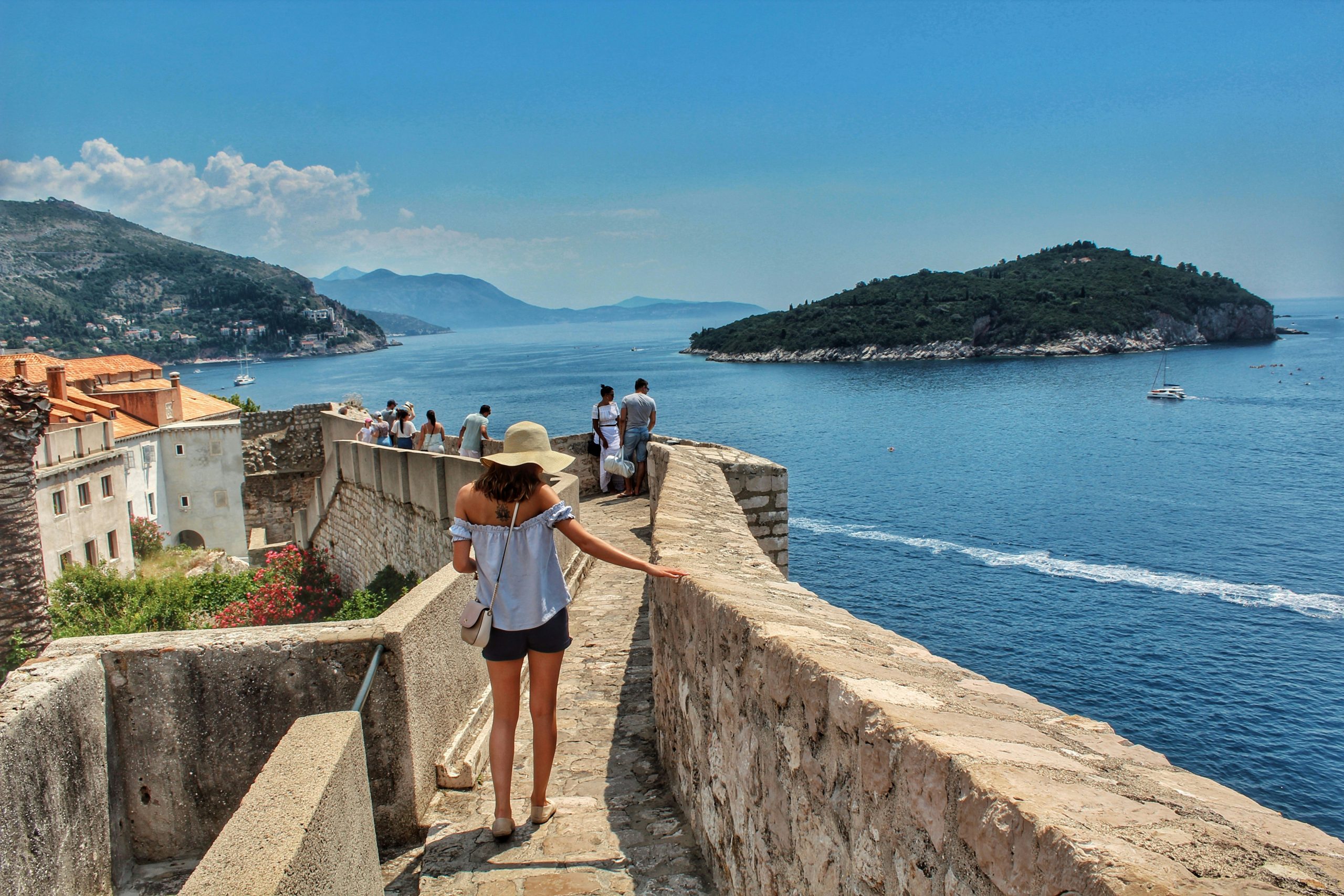
WTTC proposes seven principles for better destination management
A new World Travel and Tourism Council framework shifts the focus from visitor numbers to resident satisfaction, destination resilience and a fairer distribution of tourism benefits.
The World Travel & Tourism Council (WTTC) has presented seven principles designed to help destinations manage tourism growth. The document Destination Stewardship: Creating Value for All it is intended for state institutions, destination organisations and the private sector.
The main message is not to stop tourism growth, but to direct it better. Instead of measuring success only by the number of arrivals and overnight stays, destinations should monitor resident satisfaction, the quality of the guest experience and the value that tourism leaves on the local economy.
The local community is becoming the benchmark of success
WTTC believes that tourism planning must involve the public sector, local communities and tourism companies. At the same time, decisions should be based on higher-quality data, rather than just annual visitor statistics.
Among the proposed principles are joint planning, timely preparation for demand growth, and directing visitors towards a greater number of locations and periods of the year. Also, a portion of the revenues generated by tourism should be reinvested into communities that bear the greatest pressure.
Such an approach also requires change from tourism companies. Hotels, transport operators, tour operators and platforms I can no longer view destination management solely as a task for local authorities.
Dubrovnik among examples of pressure management
The document sets out destinations that are already implementing some of the proposed solutions. Madrid is developing a model that prioritises value, more even demand and public-private cooperation.
Dubrovnik It has been singled out because of the management of cruise ship arrivals. The goal was not to restrict tourism, but to better distribute visits and reduce the simultaneous burden on the historic centre.
WTTC also cites New York, where by promoting attractions outside the most visited areas, tourist spending is spread across a larger number of neighbourhoods. The Balearic Islands show how tourism revenue can be channelled back into local infrastructure and public services.
Data must lead to quicker decisions
During periods of peak demand, the WTTC recommends monitoring residents' attitudes, mapping critical points, improving communication with the local community and promoting lesser-known locations.
This is particularly relevant because in 2025 tourism contributed US$11.6 trillion to the global economy. It also supported 366 million jobs.
For destinations like Dubrovnik, the key challenge is therefore no longer how to attract every next visitor. Instead, the challenge is how to turn existing demand into a greater benefit for residents, businesses and public space.


