




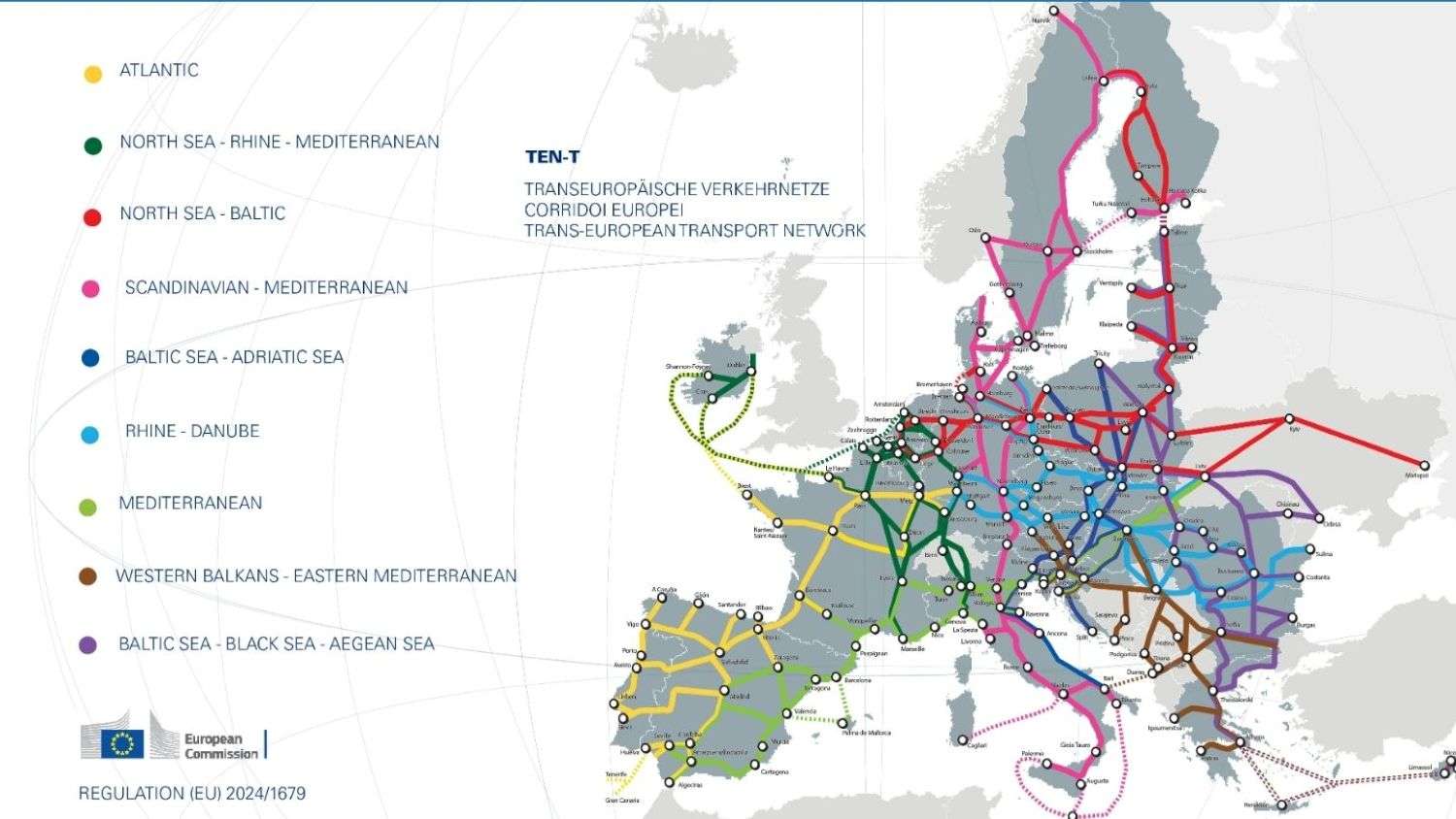
The European Rail Revolution – the TEN-T Project
The European Union is accelerating the implementation of the Trans-European Transport Network (TEN-T) through some of the most ambitious construction projects in the history of modern engineering. The main goal is to create a comprehensive railway network without administrative and physical borders, which will enable more efficient freight transport and faster passenger movement between key European hubs. The focus is on redirecting traffic from short-haul flights to high-speed rail lines.
New underground corridors across the Alps
The central part of this strategy relies on the construction of mega-tunnels that will directly connect Austria, France, and Italy over the next decade. These projects currently represent the largest active construction sites of their kind in the world. By tunnelling through mountain ranges, long-standing bottlenecks in cross-border traffic will be removed, drastically shortening travel times between the metropolises and key regions of continental Europe.
Standardisation and network capacity
Infrastructure projects such as the Brenner Base Tunnel (BBT) are crucial for establishing uniform technical standards across the entire European Union. In addition to faster passenger transport, the new underground routes will ensure significantly greater capacity for freight transport, reducing pressure on road corridors. This addresses long-standing logistical challenges within the single European market while simultaneously laying the technological foundation for the long-term sustainability of the rail network.


