




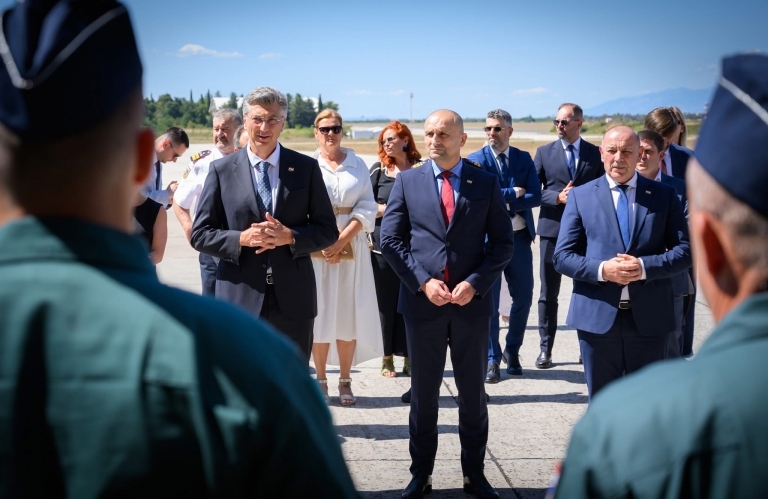
Zadar Airport's new terminal increases capacity to three million passengers
Zadar Airport it has opened a new section of the passenger terminal, marking the completion of the first phase of the largest infrastructure investment since the airport's post-war reconstruction. The new space increases the annual capacity to three million passengers, almost double the 1.6 million passengers recorded last year.
The project comes at a time when the existing temporary terminal has reached its operational limits. Increased capacity is therefore not just important for passenger comfort. It opens up more space for the airport for new routes, network expansion and more efficient traffic management during the peak of the summer season.
Bottleneck to further growth removed
The first phase of the project is worth around €15 million, while the Zadar Airport's total investment cycle reaches approximately €35 million. The financing includes credit facilities from the airport itself, as well as support from the state and funds from the National Recovery and Resilience Plan.
Zadar is connected to more than 60 European destinations in the current season, with flights from over 15 carriers. The new terminal will enable better processing of this traffic, but the actual business effect will depend on whether the airport can convert the increased capacity into a longer season and a more stable winter network.
Pistachios as the next big investment
Following the terminal, the focus is on the reconstruction and extension of the runway from 2,500 to 3,200 metres. The project, estimated at around 95 million euros, should include greater runway load capacity and the arrangement of taxiways.
A longer runway would allow larger aircraft to be accepted and open up space for more distant markets. For travel agencies, hoteliers and tour operators, this could mean a broader guest structure and less reliance on short, highly seasonal European routes.
Development towards an aviation centre
Development plans also include connecting the terminal to Zadar by railway and entering the MRO sector through the construction of hangars for base aircraft maintenance. Such a direction could bring the airport revenues that are not directly related to the number of passengers.
The opening of the terminal is therefore an important step, but not the end of development. Its full value will only be shown with new routes, better year-round availability and further investment that will more strongly connect the airport with the region's tourist and economic system.


