




Soft brand hotels: Is it worth joining an international chain as an independent hotel?
Joining an international hotel system can lead to more bookings, a better selling price, and access to global customers. But alongside a recognizable brand comes fees, technological requirements, and limitations. How much does an independent hotel actually gain from such collaboration?
The newly opened Hotel Jadran in Rijeka, which will be open from October 2026. after renovation Operating as part of the Marriott Tribute Portfolio, it is a good example of a business model that attracts the attention of hoteliers. The hotel retains its historical name and recognizable identity, but relies on one of the largest international hotel systems for its sales.
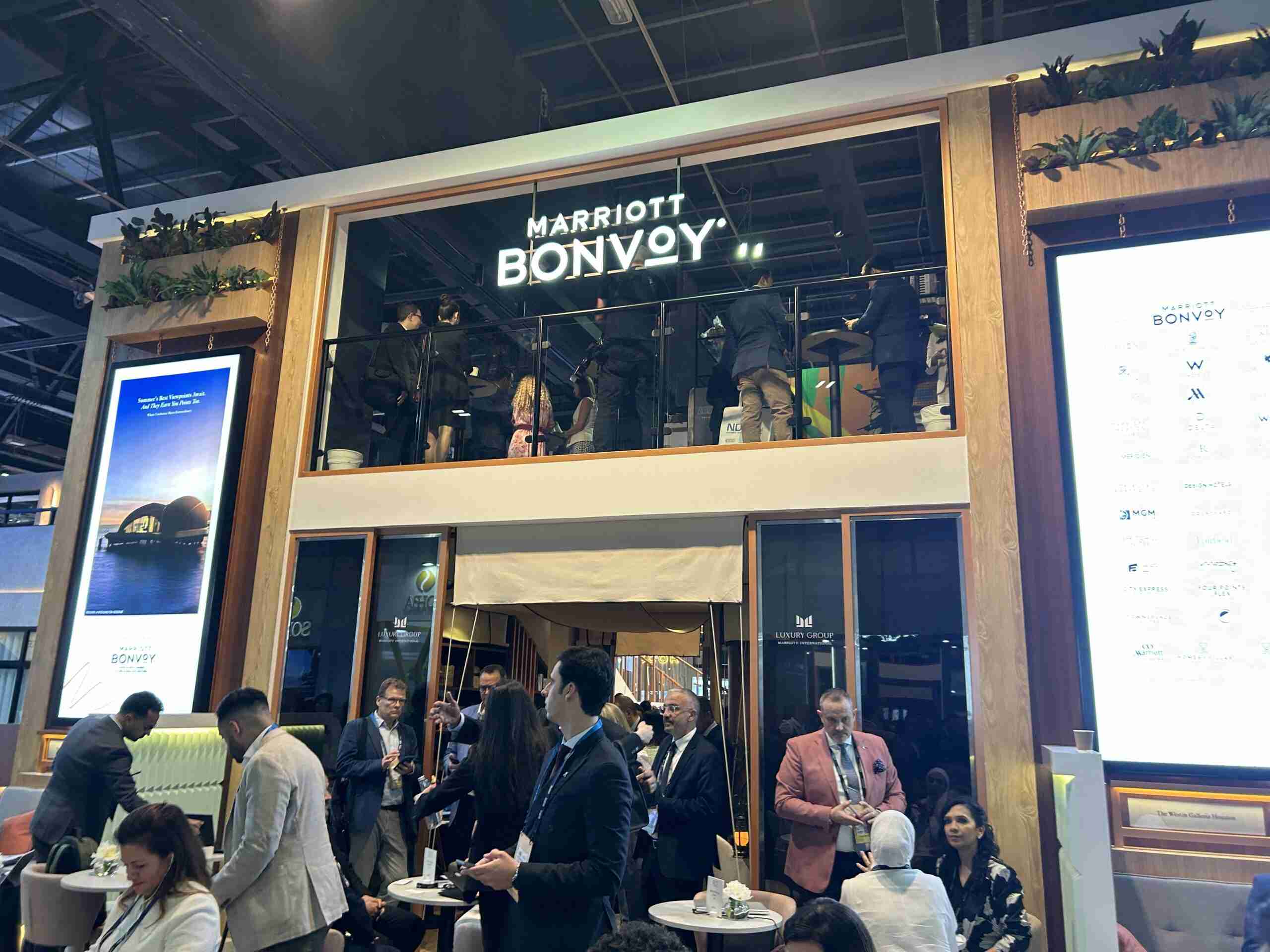
For the guest, the change may not be particularly noticeable. They will still stay at Hotel Jadran, with its location, architecture, and local story. However, behind the reservation now lies Marriott's distribution network, The Marriott Bonvoy sales system and loyalty program.
Such a way of doing business is called soft brand, It is located between a completely independent hotel and a traditional international hotel brand. For hotel owners, this is an interesting choice, especially if they already have a good product but want to attract more international guests and increase revenue per available room.
What is a soft brand and how does it differ from a traditional hotel chain?
With a traditional hotel brand, guests generally know what to expect. The hotel must meet clearly defined standards, which may include room layout, equipment, service, restaurant offerings, and operational processes.
Soft brand allows for more freedom. The hotel can retain its own name, design, gastronomy, and local character, while simultaneously using the reservation system, marketing, and sales channels of the international group.
Among the more well-known examples are the Marriott Autograph Collection, Tribute Portfolio and The Luxury Collection, the Hilton Curio Collection and Tapestry Collection, and the Accor MGallery and Handwritten Collection.
It is important to understand that a soft brand is not a separate form of ownership. Such hotels often operate through a franchise or management agreement. The difference primarily lies in the degree of standardization and freedom to design the hotel product.
| Business model | Main characteristics | Main limitations |
|---|---|---|
| Independent hotel | Complete control over the brand, pricing, and distribution strategy | Self-financing of marketing and development of sales channels |
| Soft brand | Your own identity with international distribution and a loyalty program | Fees for the group and obligations to comply with certain standards |
| A classic international brand | Recognizable standard, global sales and operational support | Greater standardization and potentially more demanding adaptations |
The actual level of freedom and costs depend on the brand, the contract, and the existing condition of the hotel.
Global distribution is the biggest argument for joining
A good hotel in an attractive location does not necessarily have to have good international sales. Independent hotels often rely on their own website, OTA channels, local agencies, and several long-standing partners. This model can work very well, especially in developed tourism markets.
The problem arises when a hotel wants to more seriously penetrate the corporate clientele, international TMCs, or guests from more distant emerging markets. By joining the international hotel system, it gains access to a distribution infrastructure that it would have difficulty building on its own. In addition to a central reservation system, there are sales activities towards large business customers, global marketing channels, and loyalty programs with a large member base.
However, it is important to distinguish the approach to these channels from guaranteed sales. The mere fact that a hotel has joined Marriott or Hilton does not mean that it will automatically receive corporate contracts or a better position across all sales channels.
The hotel product, location, price, and quality of service remain crucial.
How much does an international hotel brand actually cost?
Here we come to the part that is rarely mentioned in promotional announcements about the opening of new hotels. The international hotel system is not a free additional sales channel.
The hotel usually pays a certain combination of initial, franchise, marketing, reservation, technology and loyalty fees. Depending on the contract, there may also be additional costs for training, audits, and adapting the facility to the brand standards.
According to Marriott's 2025 annual report, regular franchise fees in its contracts generally range between 4 and 7 percent of room revenue. In addition to these, certain centralized services are charged, including reservations, marketing, and loyalty programs. These are not necessarily the total costs of the partnership.
The most important question: does the brand bring in new guests or just changes the sales channels?
If a hotel achieves more bookings after joining the international system, it is necessary to determine where this growth came from. Are these completely new guests who the hotel did not know before? Have international corporate clients replaced some of the existing bookings? Or have guests who would have booked the hotel anyway now started using the Marriott or Hilton channel?
The difference is big.
In the first case, the hotel achieved a real additional business. In the second, it may have improved the guest structure and increased prices. In the third, it is possible that it pays a new distribution fee for bookings that it would have achieved even without the international brand.
Instead, when assessing profitability, one should consider the net revenue per channel, the cost of attracting a guest, and the actual change in operating profit, rather than just the number of reservations.
The loyalty program issue is particularly interesting. Marriott Bonvoy and Hilton Honors can help hotels attract travelers who choose specific properties within a certain group. However, using these programs is also associated with costs and conditions that the hotel must accept.
What does the soft brand mean for tourism intermediaries?
The hotel's entry into an international chain also changes its relationship with intermediaries.
For international TMCs, the availability of hotels within a well-known booking system can simplify sales, especially when a corporate client prefers a particular hotel group. The same applies to agencies that organize individual luxury trips, where a recognizable international brand can provide additional confidence to the guest.
On the other hand, new questions arise for local tourism agencies, DMC companies and tour operators.
Will the hotel keep its existing B2B contracts? Will the way groups book change? Will local partners continue to receive competitive net prices or will a larger portion of inventory be directed through central sales channels?
The answers depend on the contract and the distribution strategy of each hotel.
It is particularly important for regional agencies that entry into an international chain does not automatically mean the elimination of local partnership relationships. However, it can change their commercial conditions.
The Adriatic region has good potential for this model
On the Croatian coast and in neighboring countries, a large number of quality hotels operate under their own names. Some have a long tradition, recognizable architecture, and very good locations, but they are less visible to international corporate buyers.
It is precisely such objects that can be interesting to collection brands.
Rijeka's Jadran shows how a historical local hotel can be integrated into an international system without losing the name it has carried for decades.
There are also other examples of individual hotels on the Croatian market within international collections, such as Keight Hotel Opatija in the Hilton Curio Collection or The Isolana on Cres within the Marriott Autograph Collection.
But the potential is not equal in all locations.
A hotel that already achieves high occupancy rates, has strong direct sales and well-developed relationships with travel agencies may not benefit sufficiently from new distribution channels to justify the additional fees.
In contrast, a hotel that has a quality product but weaker international sales can, through such a model, gain access to guests that it would find difficult to reach on its own.
Therefore, a concrete business plan should be decisive, and not just the attractiveness of the international hotel logo.
The best hotel brand is not necessarily the one with the largest global reach, but the one that brings enough new, profitable reservations to a particular hotel to justify the overall cost of the partnership.


