


Morocco accelerates investments ahead of the 2030 World Cup following a record 19.8 million tourists
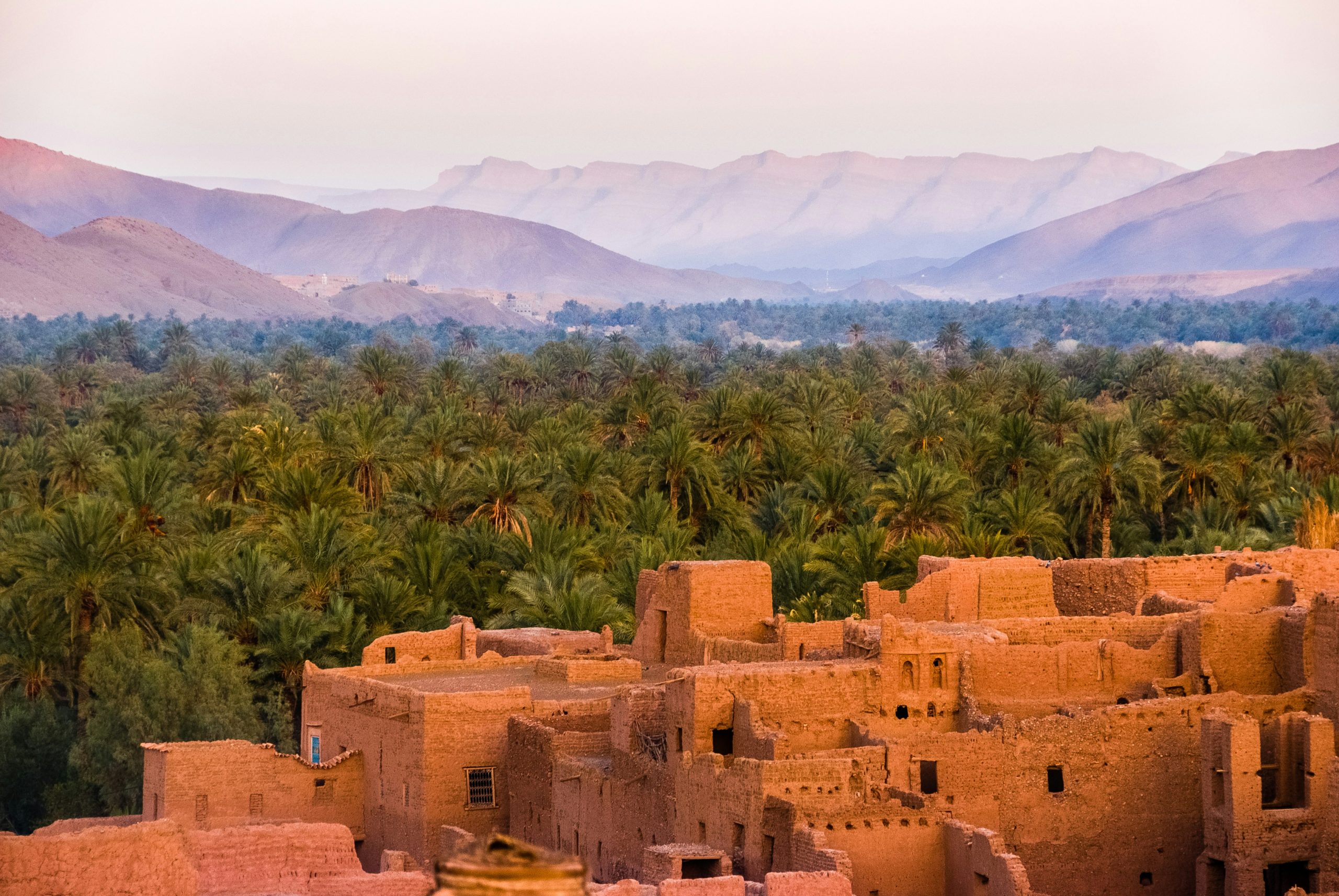
Morocco ended 2025 with almost 20 million tourist arrivals and record travel revenues. Growth is continuing into 2026, while the country is simultaneously launching a major investment cycle in airports and transport infrastructure ahead of the 2030 World Cup.
Morocco has raised the bar of its tourism ambitions in just a few years. During 2025, the country recorded 19.8 million tourist arrivals, 14% more than the previous year. This meant that the target of the 2026 tourism strategy, set at 17.5 million visitors, was exceeded a full year ahead of schedule.
Records are not just in the number of arrivals
The growth is even more interesting tourism values. Travel revenues in 2025 reached 138.6 billion Moroccan dirhams, or about 21% more than the previous year. Travel also generated more than 44% of Morocco's total service export revenue.
A similar trend can be seen in aviation. Last year, Moroccan airports handled 36.3 million passengers, 11% more than in 2024. Casablanca and Marrakech account for the largest share of traffic, but Rabat, Tangier and regional airports are also growing rapidly.
Data for 2026 so far show continued growth, albeit at a slower pace. By the end of August, Morocco had recorded 14.1 million tourist arrivals, 4.51 per cent more than in the same period last year. August exceeded two million arrivals in a single month for the first time.
Airports are becoming part of the tourism strategy
Meanwhile, Morocco is not waiting for the 2030 World Cup with its existing infrastructure. The government and Airports of Morocco have agreed on an investment programme worth 38 billion dirhams For the 2025–2030 period, the Plan includes the expansion of airports in Marrakech, Agadir, Tangier and Fez, as well as a new hub terminal and runway in Casablanca. The aim is to increase total system capacity from approximately 34 to 80 million passengers a year.
In 2030, Morocco will co-host the FIFA World Cup alongside Spain and Portugal. However, the investments are clearly not intended just for a few weeks of the sporting event.
For the European tourism sector, this means a stronger Mediterranean competitor with greater flight availability, new hotel capacity and a longer season. For destinations on the Adriatic, the Moroccan model is of particular interest, where the growth of tourism demand and the development of air connectivity go hand in hand, rather than infrastructure subsequently trying to catch up with the market.


