


How security and prices are shaping summer travel in 2026 in the Austrian and German markets
The 2026 season brings clear changes in the behaviour of guests from two important emitting markets – Austria and Germany. As tourism professionals prepare for the summer months, research shows that inflation and geopolitical tensions put safety and financial predictability first. Guests are not giving up on travel, but significantly they choose destinations more cautiously, length of stay and modes of transport.
Shift in priorities and search for safer destinations
The geopolitical situation, particularly Middle East crisis, has a direct impact on holiday planning. According to platform data HolidayCheck, Even seven out of ten German tourists feel the impact of current events on their decisions. As a result, a clear trend of shifting focus towards European destinations is being recorded.
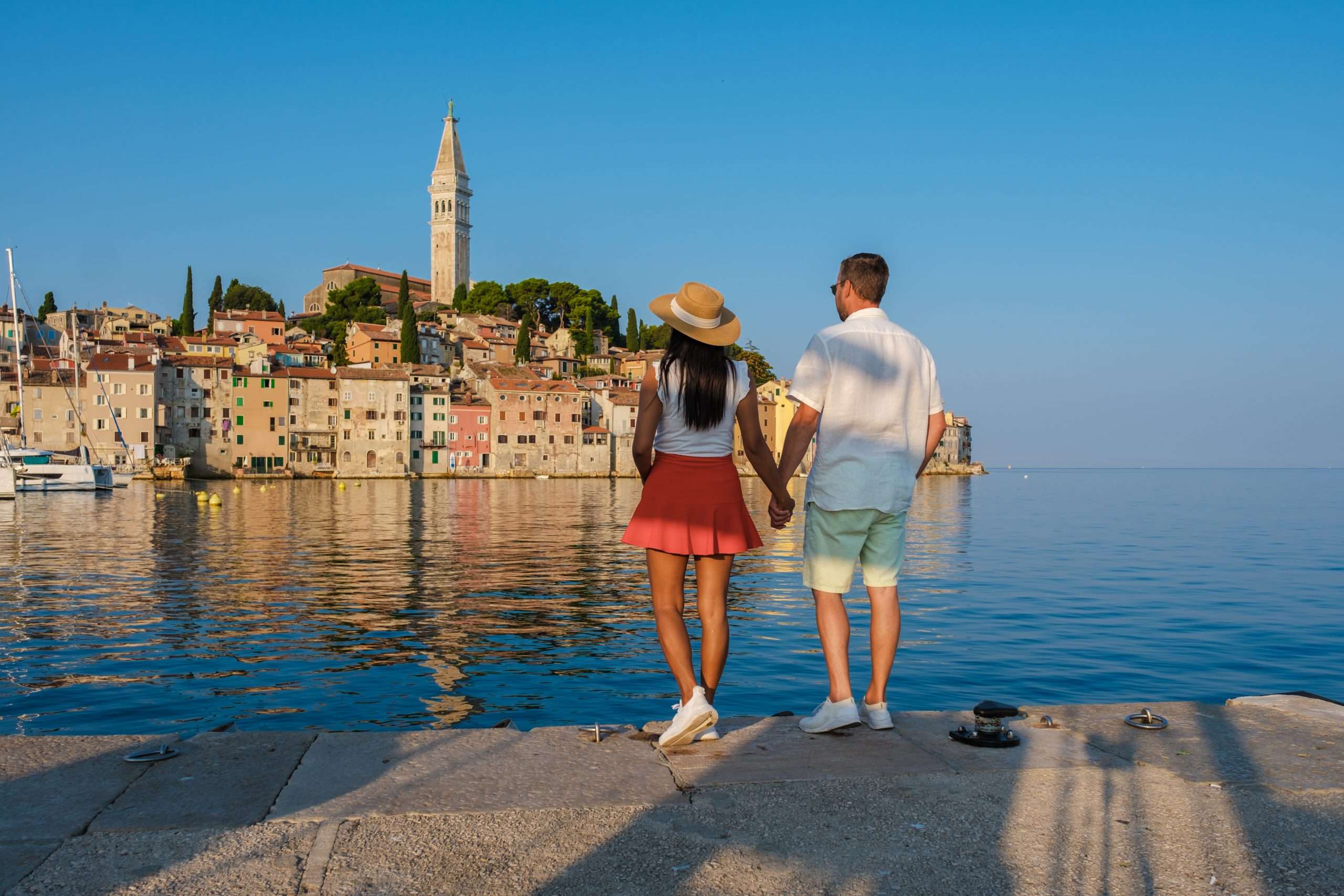
Almost 70 percent of Germans surveyed consider Germany, Austria and Switzerland in the safest areas, whilst Mediterranean countries also enjoy high trust. A similar pattern is visible among Austrian travellers. Around half of Austrians plan to stay within their country's borders or visit neighbouring destinations like Italy and Croatia, where prices remain stable and distances short. Interestingly, despite recommendations, a smaller portion of travellers still show a preference for riskier destinations, but most are playing it safe.
The impact of the budget and economic adjustment
As well as security, financial factors play a key role. According to ÖAMTC's research, The average Austrian budget for a summer holiday this year is €1,189 per person, a slight decrease compared to the previous year. To cope with inflation, over 80 percent of travellers are actively seeking more affordable options. This is most commonly reflected in shorter stays, travelling outside of the peak season, and choosing more budget-friendly accommodation and catering establishments.
German guests also think similarly, with almost half of respondents stating that high fuel and transport costs are affecting their plans. Instead of cancelling trips, guests are turning to more flexible booking conditions and organised package tours, which offer a sense of greater legal and financial protection in uncertain times.
Maintaining the importance of the car as the main means of transport
When it comes to mobility, The passenger car remains the dominant choice for summer travel. As many as 70 percent of Austrians plan to travel by car, and the proportion of those using electric vehicles is also growing. Air transport accounts for a smaller share, while trains and buses are increasingly being used for individual and business travel, especially among solo travellers.
According to these studies, the situation could have a positive impact on travel to Croatia, Montenegro, and Albania, as well as other Mediterranean countries that are important summer destinations.


