



Border controls in Schengen: what travelers from Croatia and the region need to know
Schengen is no longer synonymous with travel without stopping. Several European countries are reintroducing temporary controls at internal borders, and some of these measures will remain in effect through 2027.
For travelers from Croatia, this mainly means the possibility of additional document verification. Travelers from Serbia, Bosnia and Herzegovina, Montenegro, and other countries in the region that are not members of the EU should pay attention to several other things – from passports and the 90/180 rules to the new EES system.
Where are the controls currently being carried out?
Austria has extended controls at the borders with Slovenia, Hungary, the Czech Republic and Slovakia until March 15, 2027.
Germany controls all its land borders until the same date, including those towards Austria, the Czech Republic and Poland. Poland carries out controls towards Germany and Lithuania until March 30, 2027., while Italy controls the border with Slovenia until December 18, 2026.
From November 1, France will continue checks at its internal borders with several neighbouring countries.
The borders are not closed. Traffic is proceeding normally, but the police can stop a car, a bus or an individual passenger for document verification.
Passengers from Serbia, Bosnia and Herzegovina and Montenegro need a passport
Citizens of Croatia and other EU countries only need to have a valid identity card or passport.
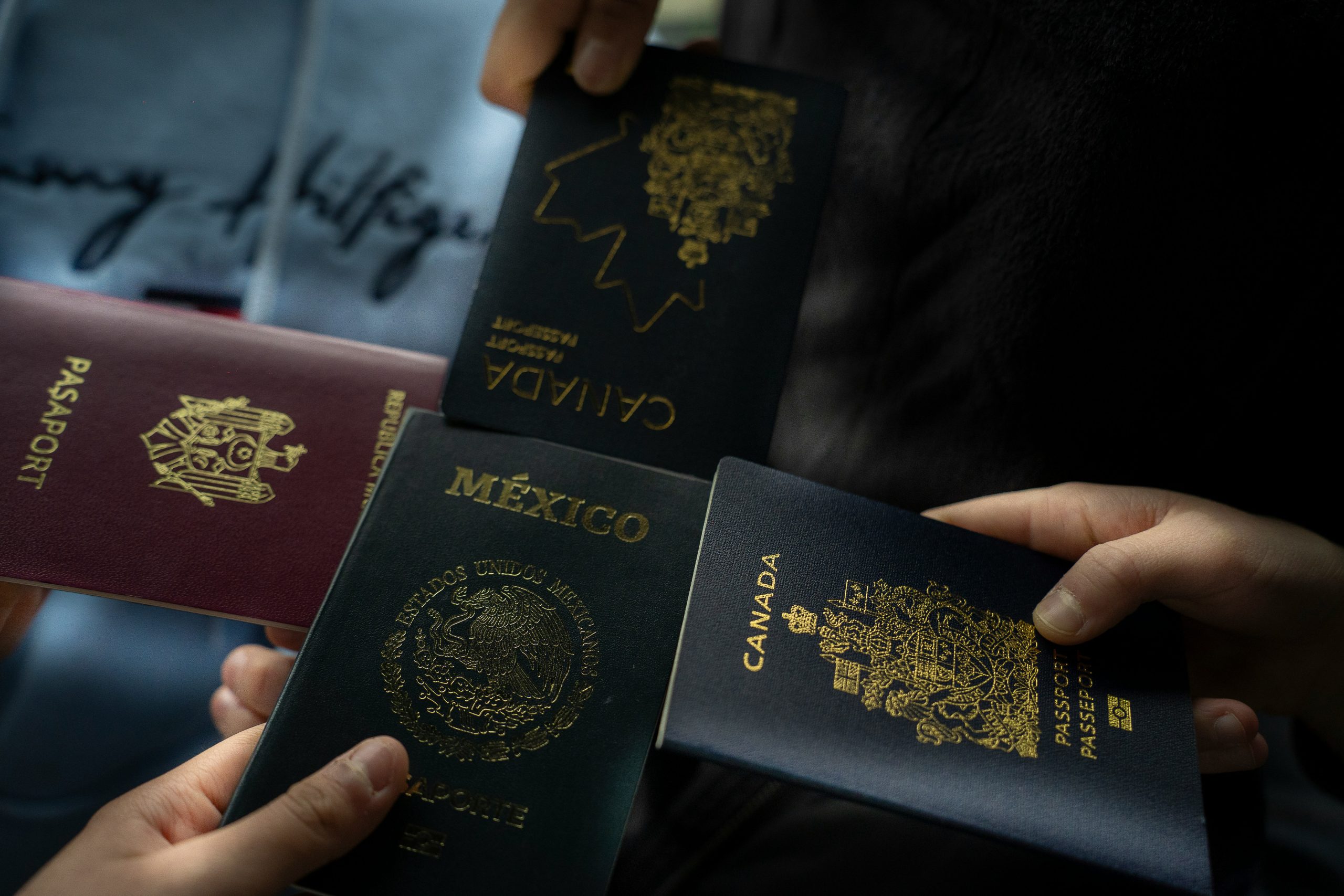
The situation is different for citizens of Serbia, Bosnia and Herzegovina, Montenegro, North Macedonia, Albania and Kosovo. These countries are not members of the EU or Schengen, so their citizens need a valid passport to travel.
According to the valid EU rules, citizens of these Western Balkan countries have a visa-free regime for short stays in Schengen. They can stay for a maximum of 90 days within any period of 180 days. This limit applies to the Schengen area as a whole, rather than separately to each country.
The passport should in principle be valid for at least three months after the planned departure from Schengen and must be issued within the previous ten years. Border police may also require proof of accommodation, a return ticket or other travel information.
However, a traveler from Serbia traveling by car through Croatia and Slovenia to Austria should not leave their passport in the hotel safe just because they have already entered Schengen. Temporary checks may also occur at the Slovenian-Austrian border.
The EES has changed the entry of non-EU passengers
Od On April 10, 2026, the EES is fully operational at the external borders of countries that use the system.
This directly applies to most travelers from the Western Balkans when entering Schengen for a short stay. The system electronically records passport data, the place and date of entry and exit, and biometric data such as facial photos and fingerprints. Traditional passport stamping has been replaced by electronic records.
For example, a traveler from Bosnia who enters Croatia passes through the Schengen external border And his entry is recorded through the EES. If he then continues from Croatia via Slovenia to Austria, he remains within Schengen. Any Austrian police check does not constitute a new entry into Schengen and does not trigger a new 90-day period.
It is precisely this difference that often creates confusion.
Should travellers set off earlier because of border checks?
In most cases, the check takes a short time. However, weekends, holidays, the ski season, or increased traffic can create waiting times.
This is especially important before Advent trips to Graz, Vienna, Prague and Munich, or during winter trips to Austrian and Italian ski resorts.
If you have a flight, train or other transport that you need to catch after the road transfer, a little extra time isn't a bad idea.
For bus tours, the consequences are even greater. A delay at one border can move the sightseeing tour, the booked restaurant, or the arrival at the hotel, and the organizer must also account for the permitted working hours of the professional drivers.
The simplest rule for travelers from the entire region therefore reads: Schengen makes traveling easier, but documents should still be kept on hand. And for citizens of countries outside the EU, it is a good idea to check how many days they have already spent in the Schengen area before traveling.


