


Sergio Moreno Gil: How neuroscience and technology are changing how we experience and choose travel
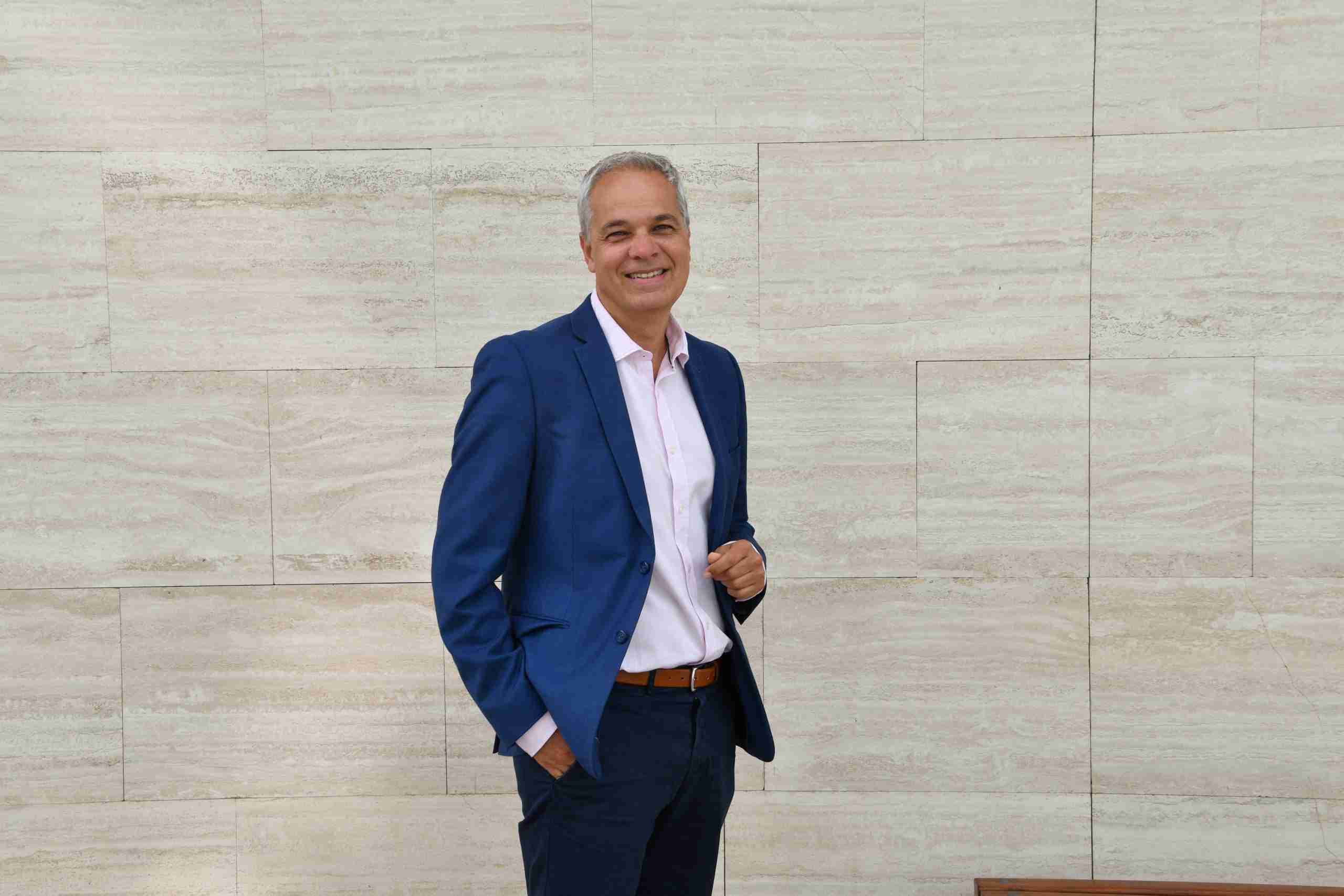
Today's tourism industry relies increasingly on experiences and emotions which strongly influence destination choice and visitor satisfaction. Innovations are therefore becoming a necessity. One of the leading experts researching the connection between tourism, neuroscience, and technology is Sergio Moreno Gil, professor and director EMOTUR Laboratory – Neuroscience and Tourism Lab at the University of Las Palmas de Gran Canaria (ULPGC).
EMOTUR applies neuroscience, neuromarketing, and advanced digital tools such as eye-tracking, biometric measurements, and immersive technologies to better understand tourist behaviour. The laboratory collaborates closely with destinations, companies, and public institutions, transforming scientific insights into practical solutions for tourism development.
In this conversation, we will discuss EMOTUR's research approach, real-world applications, and the role of emotions in shaping the future of tourism.
Mr Moreno Gil, you were recently included on the Sergestur “150+” list, which recognises the most influential professionals in global tourism. What does this recognition mean to you and how does it highlight the importance of linking academic research with practice?
Thank you. Inclusion on the Sergestur “150+” list is above all a recognition of teamwork, rather than individual achievement. It reflects the work of the EmoturLab team, which is part of one of the world's leading research teams in the field of tourism and hospitality according to the Shanghai Ranking.
For me, the greatest value of that recognition lies in the message that academic research only makes sense when applied. In EMOTUR, we don't just study tourism theoretically. We translate science into decision-making tools. We use neurotourism and data analytics to help destinations and companies design better experiences, communicate more effectively, and make higher-quality strategic decisions.

Can you briefly introduce EMOTUR Lab and its mission within the tourism ecosystem? What projects are you currently working on?
EMOTUR Lab is an applied research laboratory focused on neurotourism. We study how tourists truly experience destinations, brands, and experiences on an unconscious level. Our mission is simple yet powerful: to help the industry understand tourists as they really are, rather than as they describe themselves in surveys.
Tourists often don't think what they feel, don't say what they think and don't do what they say. Around 95 per cent of travel-related decisions take place at an unconscious level. That's why we combine neuroscience, behavioural data, artificial intelligence and immersive technologies. We focus on attention, emotions, memory and decision-making.
The most important projects are related to destination marketing, sustainability communication, experience design, and digital transformation. The goal is always the same: to turn scientific insights into concrete results for the tourism industry.
What research technologies and methods do you use?
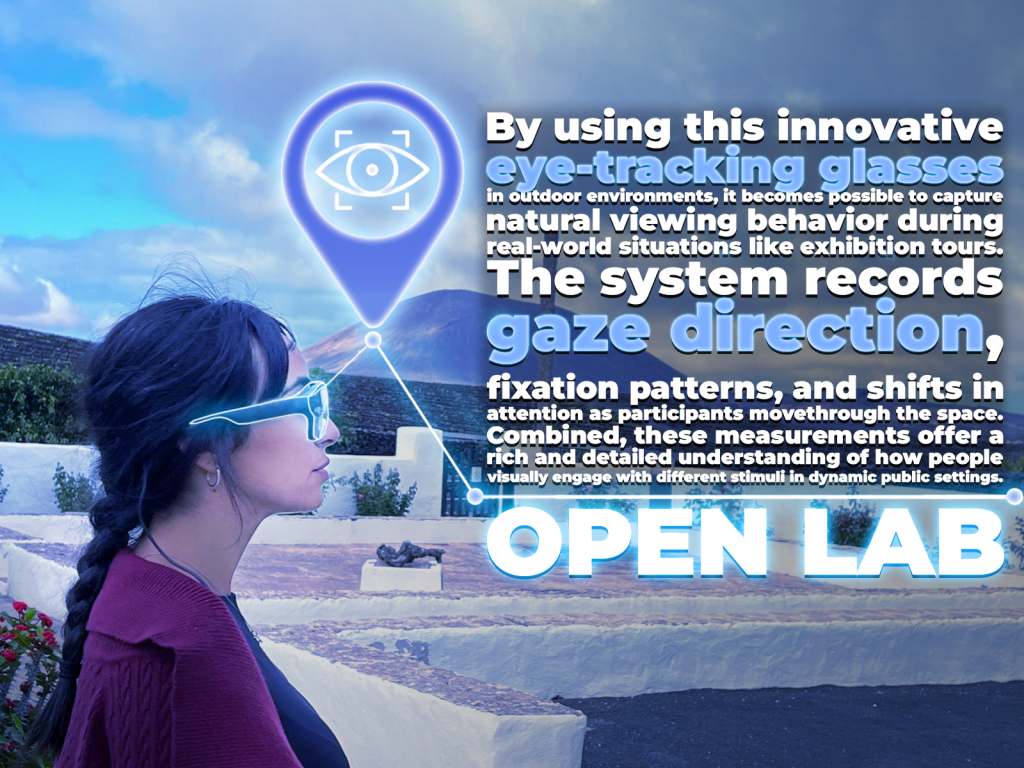
We use a wide range of neuro-tourism technologies. We measure attention using eye-tracking and analyse emotional responses through facial expression recognition and biometric measurements. We also develop immersive environments, including 360º experiences and multi-sensory installations, such as our Emofood 360 concept.
We also implement XR technologies, virtual and augmented reality, digital twins, and wearable devices. It is important for us to research real-world environments, not just laboratory conditions. EMOTUR's strength lies in the integration of technology and a deep understanding of tourism.
How does measuring emotions help destinations and businesses?
Measuring emotions allows for designing services from the guest's perspective, rather than from assumptions. Each touchpoint can provoke excitement, indifference, satisfaction, or frustration. When we know precisely where attention and emotions rise or fall, we can optimise communication, websites, visuals, and the overall experience. The industry then shifts from “what we think works” to “what really works.”.
Can you provide a concrete example of its application?
On destination projects, we often optimise promotional content. We adapt images, video materials, and messages based on real user reactions. In the EUROEMOTUR project, we worked with over 100 European tourism DMOs.
In the U Spain Living Lab project, we have developed a network of approximately 500 living labs within travel agencies. We are analysing the pre-travel inspiration phase using virtual reality and behavioural data. The results are visible in improved customer experience and higher conversion rates.
How important is collaboration with industry? It's crucial. Innovations in tourism don't arise in isolation. Collaboration allows for a faster transfer of knowledge into practice. Companies test solutions under real-world conditions. Institutions scale what proves successful.
How can small businesses benefit without a laboratory? Size isn't the deciding factor. The way of thinking is. Even without their own infrastructure, it's possible to apply these insights through partnerships and practical tools. The biggest change happens when companies decide to rethink ingrained assumptions.
How do you see the future of neurotourism?
We are entering a period of strong transformation. The integration of emotional, behavioural, and digital data will change how experiences and strategies are designed. This is the next major phase in the development of tourism.
What would be your advice for Croatia and the region?
Openness to new knowledge. Willingness to test and learn. Collaboration within the local ecosystem, as well as international connectivity. It is precisely at these intersections that the most interesting innovations emerge.
See the video for more about Emotour:


