



Venice, Barcelona and Santorini impose stricter measures against overtourism
More and more European destinations raises higher tourist fees and restrictions for day-trippers and cruise ship passengers. The aim is to reduce pressure on local infrastructure during peak season and steer tourist flows towards a more sustainable model.
The rise in visitor numbers in recent years has prompted several of the most visited Mediterranean destinations to introduce new measures. After Venice became the first to introduce an entrance fee for day visitors, Barcelona is preparing a record increase in taxes for cruise ship passengers. Furthermore, Greece has already started implementing a new disembarkation fee in Santorini and Mykonos.
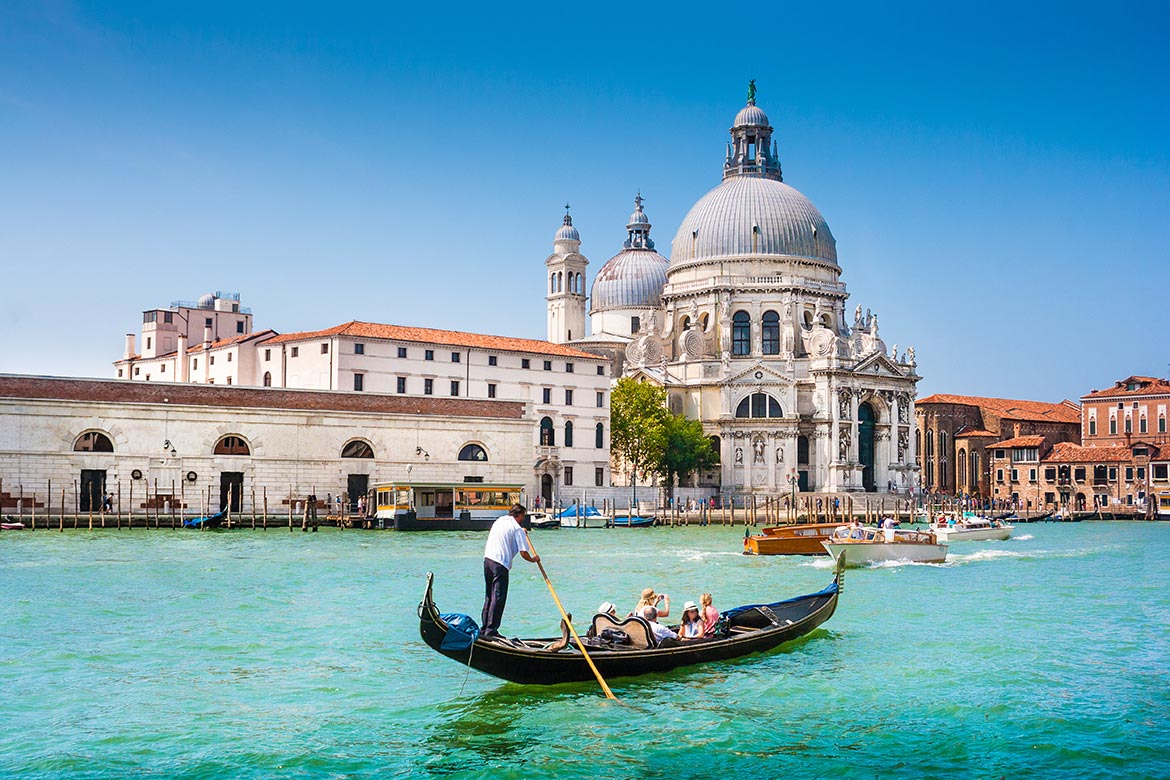
Venice considers an entrance fee of up to €50
The new Mayor of Venice, Simone Venturini, has proposed an increase in the fee for day-trippers, which could reach between 30 and 50 euros on the busiest days.
The city was among the first in Europe to introduce an entry fee system for day guests. This year, the fee applies for 60 days. Visitors pay the fee online. They receive a QR code which is checked at the city's entry points.
Although the model exceeded revenue expectations, the number of visitors has not significantly decreased, so the city authorities are considering further tightening measures.
Barcelona wants to almost triple the tax for cruise ships
Barcelona plans to increase the tourist tax for cruise passengers spending less than 12 hours in the city.
If the proposal is approved by the Catalan parliament, the total fee would rise from 11 to 30 euros per person. The increase would only apply to transit cruise passengers, while those embarking or disembarking in Barcelona would remain exempt.
The port is simultaneously continuing its reorganisation, including a reduction in the number of cruise terminals with the aim of limiting the daily number of passengers.
Santorini and Mykonos introduce seasonal fee for cruise ships
Greece has also tightened its approach to managing cruise tourism. During the peak season, from June to September, passengers disembarking at Santorini and Mykonos pay €20 per person. For other Greek ports, the fee is €5. In the spring and autumn months, the fee is reduced. During winter, it is only €4 for the two most visited islands.
The measure is part of a broader strategy by the Greek authorities to relieve the most burdened islands and encourage travel outside the peak season. At the same time, a daily limit of 8,000 cruise ship passengers is being applied to Santorini. This aims to reduce crowds in the port and the historic centre.
European destinations are increasingly using financial measures to manage visitors
Examples from Venice, Barcelona and the Greek islands show that European destinations are increasingly using tourist taxes not solely as a source of revenue. Increasingly, these levies are serving as a tool for managing visitor numbers. Higher prices during peak season, restrictions on cruise ships, and controls on day-trippers are becoming part of a broader strategy. Through this strategy, destinations aim to mitigate the consequences of overtourism while preserving the quality of life for local residents.


