




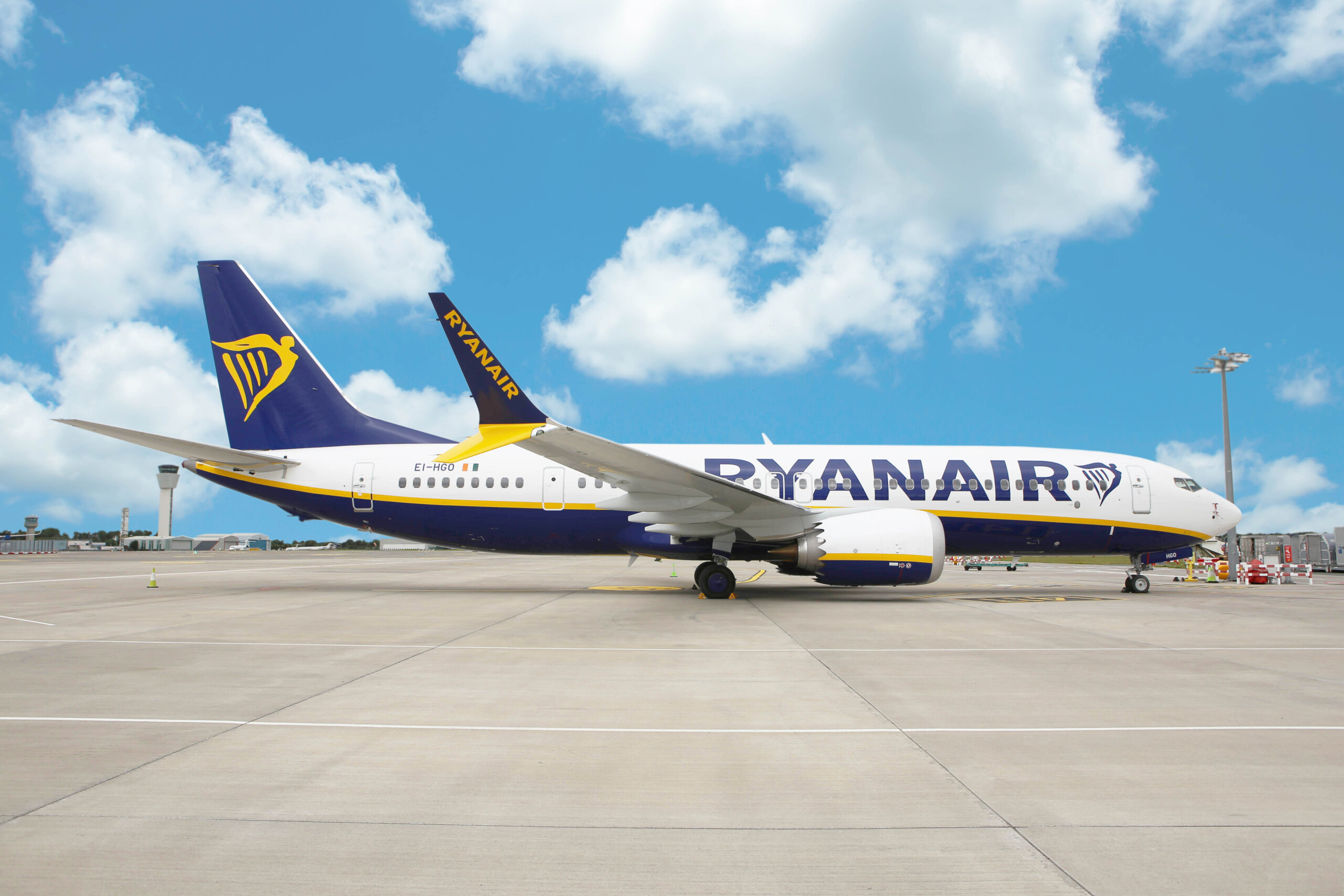
Ryanair is changing its rules for family seats
The Irish low-cost airline has adjusted its seat allocation model for families to align with European regulatory expectations. However, free options now come with a spatial compromise.
Ryanair has introduced changes to its seating policy for families with children, bringing it in line with the practice most European carriers have followed for years. The new rules, which are already in effect for all bookings, create a different dynamic when checking in for a flight. Specifically, the change applies to passengers who do not wish to pay additional fees for seat selection.
Automatic assignment moves to the rear of the cabin
Under the new rules, families who choose to let the system select their seats are still guaranteed to sit together at no extra charge. However, these free seats will now primarily be allocated by the system in the rear of the aircraft. The reasoning behind this is commercial logic; the front rows and seats with more legroom are the first to be sold. Therefore, the space at the rear of the aircraft is reserved for automatic allocation after it opens up. Check-in.
For agencies and travellers, this means clearer communication with clients. Specifically, those who want to sit in the front of the cabin or disembark the aircraft faster will have to pay a standard fee.
O’Leary criticises regulators again
Although Ryanair claims the change was introduced to align with European industry standards and regulatory bodies, the company's boss, Michael O’Leary, used the opportunity to attack British and European competition regulators. O’Leary claims that their previous policies were actually more transparent and consumer-friendly than the models used by competing carriers.
Terms and conditions for paid reservations remain similar. One adult paying for their own seat can book seats for up to four children within the same reservation for free. The airline stresses that this change will be revenue-neutral. Furthermore, the primary objective was to meet regulatory expectations without compromising the basic low-fare model.


