

Morocco aims to be among the top 10 global tourist destinations by 2030.
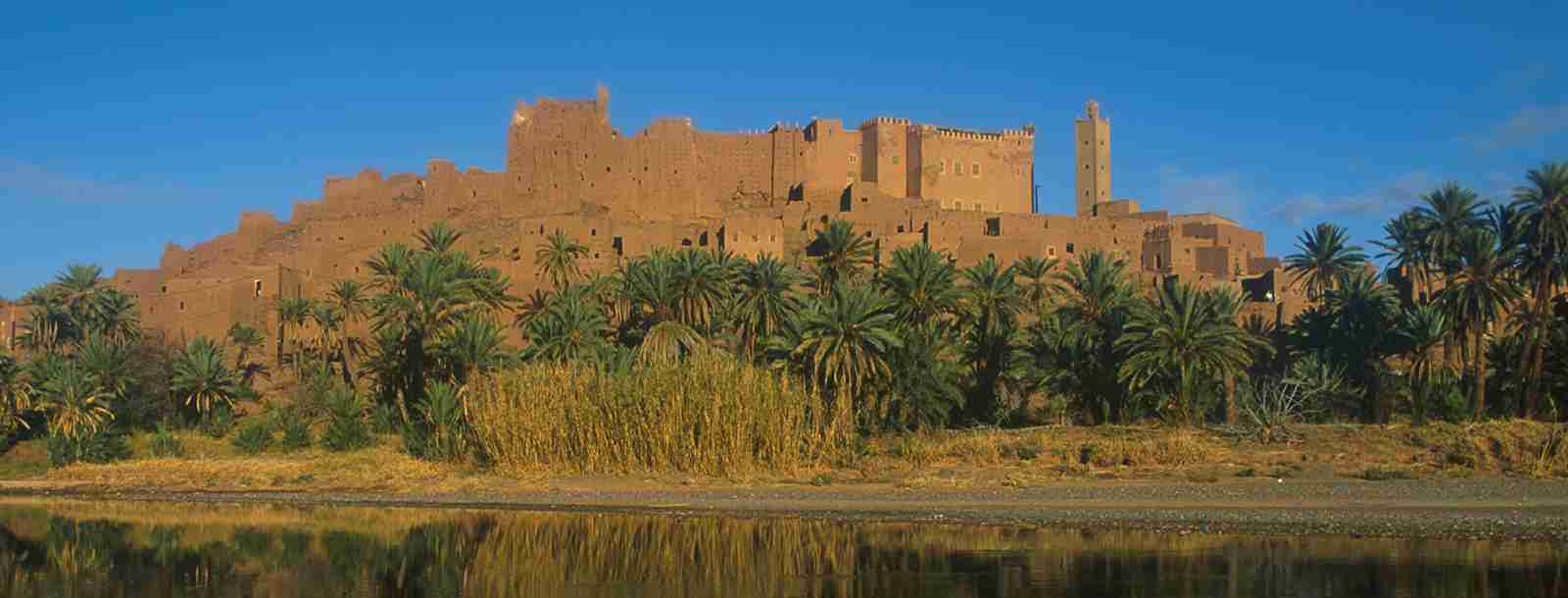
With the ambition to become a global leader in tourism, Morocco it has initiated a strong development cycle encompassing investments in infrastructure, air connectivity, and the hospitality sector. By 2030, the country plans to double the number of foreign tourist arrivals and achieve the status of one of the ten most visited destinations in the world.
Record results and growth in the number of arrivals
In 2024, Morocco attracted 17.4 million international tourists, representing a 20 percent increase compared to the previous year – the largest in Moroccan tourism history. The trend continued into 2025, with a double-digit increase in arrivals in the first seven months. The main markets remain France, Spain, the United Kingdom, Italy, and Germany.
The British market has stood out particularly – the number of visitors from the United Kingdom rose by 25 percent, and the number of weekly flights almost doubled. In November, a new British Airways route will be launched between Gatwick and Rabat, further strengthening air connectivity with Europe.
Infrastructure and luxury as the foundation of the strategy
Major infrastructure projects have been launched as part of the preparations for the 2030 FIFA World Cup, which Morocco will co-host with Spain and Portugal. The „Airports 2030“ plan envisages almost doubling airport capacity, while a new motorway network and high-speed rail line are being built between Kenitra, Casablanca, and Marrakesh.
The country is also becoming a new hub for luxury tourism. During 2024, the Four Seasons Rabat at Kasr Al Bahr, Park Hyatt Marrakech, and Ritz-Carlton Rabat Dar Es Salam hotels opened, with Waldorf Astoria Rabat Sale, Hilton Rabat, and Curio Collection Casablanca to follow in the coming years. Global brands clearly demonstrate confidence in the long-term potential of the Moroccan market.
Sustainable development and local communities
The Moroccan Tourist Office highlights that development will not come at the expense of sustainability. New transport routes are encouraging tourists to visit less developed parts of the country, and rural communities are gaining new sources of income through tourism. Women's cooperatives, which produce argan oil, rose water, and saffron – products that are increasingly finding their way into the tourist offering – play a special role.
New tourist identity
In addition to traditional cultural and desert tourism, Morocco is increasingly positioning itself as a destination for diverse experiences. With over.
Particular potential has been identified in golf tourism – with 45 courses stretching from coastal areas to the interior, Morocco is increasingly attracting a sporting and luxury audience.
Global promotion and fair appearances
The Moroccan National Tourist Office uses international trade fairs as a key promotional tool. At this year's WTM in London, an expanded national pavilion was presented with culinary workshops and displays of traditional handicrafts. An even more innovative concept has been announced for 2026 – a multisensory presentation of the country through smells, sounds, and tastes.
Outlook towards 2030.
Morocco's goal is to attract more than 26 million visitors by the end of the decade. Investments in transport, luxury accommodation, and sustainable tourism, along with strong promotion of its authentic culture, should position the country among the world's leading destinations.
Morocco today is not only building tourism – it's building a new national identity that blends tradition, modernity and sustainable growth.


