




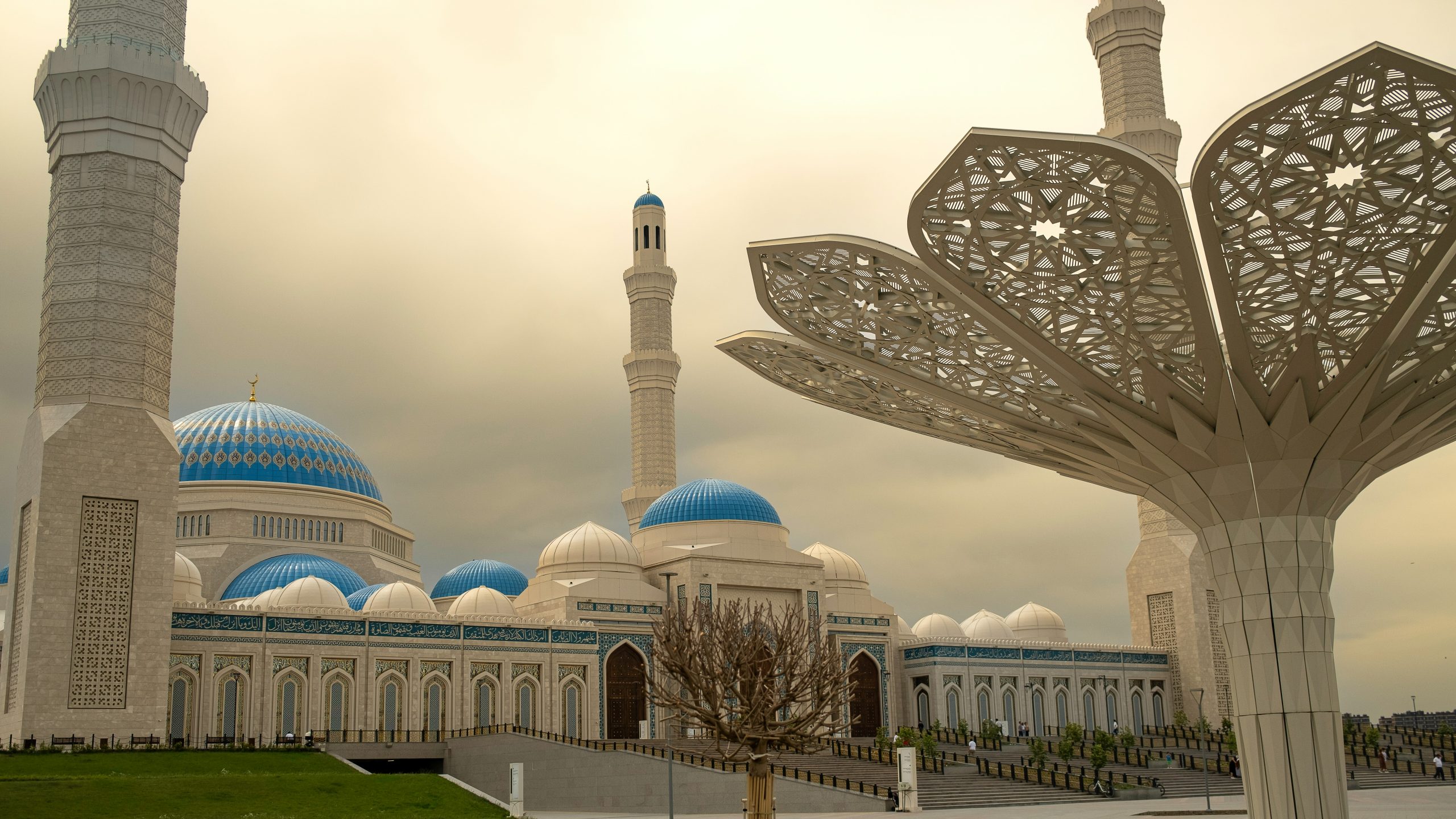
Kazakhstan is rapidly developing its tourist infrastructure.
With growing tourist traffic and new investments, the country aims to strengthen its position among Central Asian destinations and attract travellers from Europe and more distant markets.
During 2025, Kazakhstan recorded 15.7 million arrivals of foreign visitors, of which 11.1 million were classified as tourists. According to data from the Kazakhstani authorities, foreign visitors spent approximately 2.9 billion US dollars, while investments in the tourism sector exceeded 1.3 trillion tenge.
The number of accommodation establishments has reached 4,482, and their total capacity has exceeded 232,000 beds. Such results confirm the growth of the tourism sector, but at the same time raise the question of whether the development of transport infrastructure can keep pace with the ambitions of a country that spans more than 2.7 million square kilometres.
Three new airports are expected to open during 2027.
One of the most important projects involves the construction of new airports in Zaysan, Katon-Karagay and Kenderli. Their purpose is to improve access to tourist areas that have until now been more difficult to reach by road.
Although earlier plans had envisaged the projects' completion during 2026, according to information published in early November, passenger traffic is expected to begin in the first half of 2027. Construction of the airports in Zaysan and Kenderli is planned for completion by the end of 2026, with work in Katon-Karagai due for completion in February 2027.
Existing airports are being modernised concurrently. The works include capacity expansion in Shymkent, works in Almaty and the refurbishment of regional airports. In August the runway in Pavlodar was reconstructed, and Arkalyk Airport was also refurbished.
For travel agencies and tour operators, the new regional airports could open up the possibility of creating circular tours that combine multiple regions of Kazakhstan. The actual impact will depend on whether the airports secure sufficient regular flights and reliable local transport links.
Air Astana connects Almaty and Tokyo, and new European routes are planned.
Kazakhstan is simultaneously working to enhance its international air connectivity. In particular, the new direct route between Almaty and Tokyo's Narita Airport, scheduled to commence on 30 November 2026, is being highlighted.
Air Astana has announced two flights a week, on Mondays and Thursdays, using Airbus A321LR aircraft. The flights are to be operated in cooperation with Japan Airlines under a codeshare agreement, subject to the necessary regulatory approvals.
The Kazakhstani authorities are also announcing the possibility of new international routes to Vienna, Milan and New York for 2027. These are plans, not yet confirmed regular services.
Connections to European hubs are particularly attractive for the markets of Austria, Germany, Croatia, Slovenia and other countries in Central and Southeast Europe. Higher-quality air links could facilitate Kazakhstan's inclusion in long-haul travel programmes, especially in combination with other Central Asian destinations.
Kazakhstan ranked 56th in the World Tourism Development Index
According to the World Economic Forum's 2026 Travel & Tourism Development Index (TTDI), Kazakhstan ranks 56th out of 110 economies analysed, with a score of 4.089 out of a possible seven points.
Although the overall score rose by 1.6 per cent compared with the comparable figure for the previous period, the country fell from 52nd to 56th place. This suggests that other destinations have advanced more rapidly.
The greatest progress was recorded in tourist services and infrastructure, where the indicator value increased by 22.7 per cent. Improvements were also achieved in air infrastructure, digital readiness and security.
Kazakhstan stands out in particular for its price competitiveness, ranking second in the world. This can be an important asset in developing tourism products, although the overall cost of travel also depends on air fares, local transport and the availability of quality accommodation.
TTDI does not directly measure the number of tourists or tourism revenues, but rather the conditions that enable the sector's long-term development.
From mountain tourism to the cultural routes of the Silk Road
Kazakhstan has a very diverse tourism potential, but its development is not equal across all regions.
Almaty and the surrounding areas are already renowned for mountain and adventure tourism. Ile-Alatau National Park, the Charyn Canyon, the Kolsai Lakes and Altyn-Emel National Park offer opportunities for active holidays and multi-day trips.
Astana is developing as a centre for business events, congresses and international meetings, with the opportunity to combine business tourism with cultural and gastronomic offerings.
The Mangystau region is becoming particularly interesting, known for its dramatic desert landscapes, the Bozzhyra Canyon and its historical sites.
In July 2026, UNESCO inscribed five rock mosque complexes and associated sacred sites of Mangystau on the World Heritage List. Among them are Beket-Ata, Shopan-Ata, Karaman-Ata, Shakpak-Ata and Sultan-Epe. The new international recognition further strengthens the prospects for developing cultural and pilgrimage tourism in the region.
Turkestan, with the mausoleum of Khoja Ahmed Yasawi and the historic sites along the former Silk Road, represents the second important cultural region. Eastern Kazakhstan and the Altai region, on the other hand, have the potential for ecotourism, hiking and wilderness stays.
What does Kazakhstan's development mean for the tourism market?
For international tour operators, the greatest opportunity lies in linking new air routes with regional tourism products. Kazakhstan can offer a combination of city breaks, cultural trips, adventure tourism and multi-day itineraries across Central Asia.
However, infrastructure development alone does not guarantee increased tourist traffic. Stable flight schedules, quality local partners, accessible travel information and services tailored to international visitors are required.
The opening of new regional airports during 2027 will be one of the key indicators of how quickly Kazakhstan can turn infrastructure investments into tangible tourist products.


