




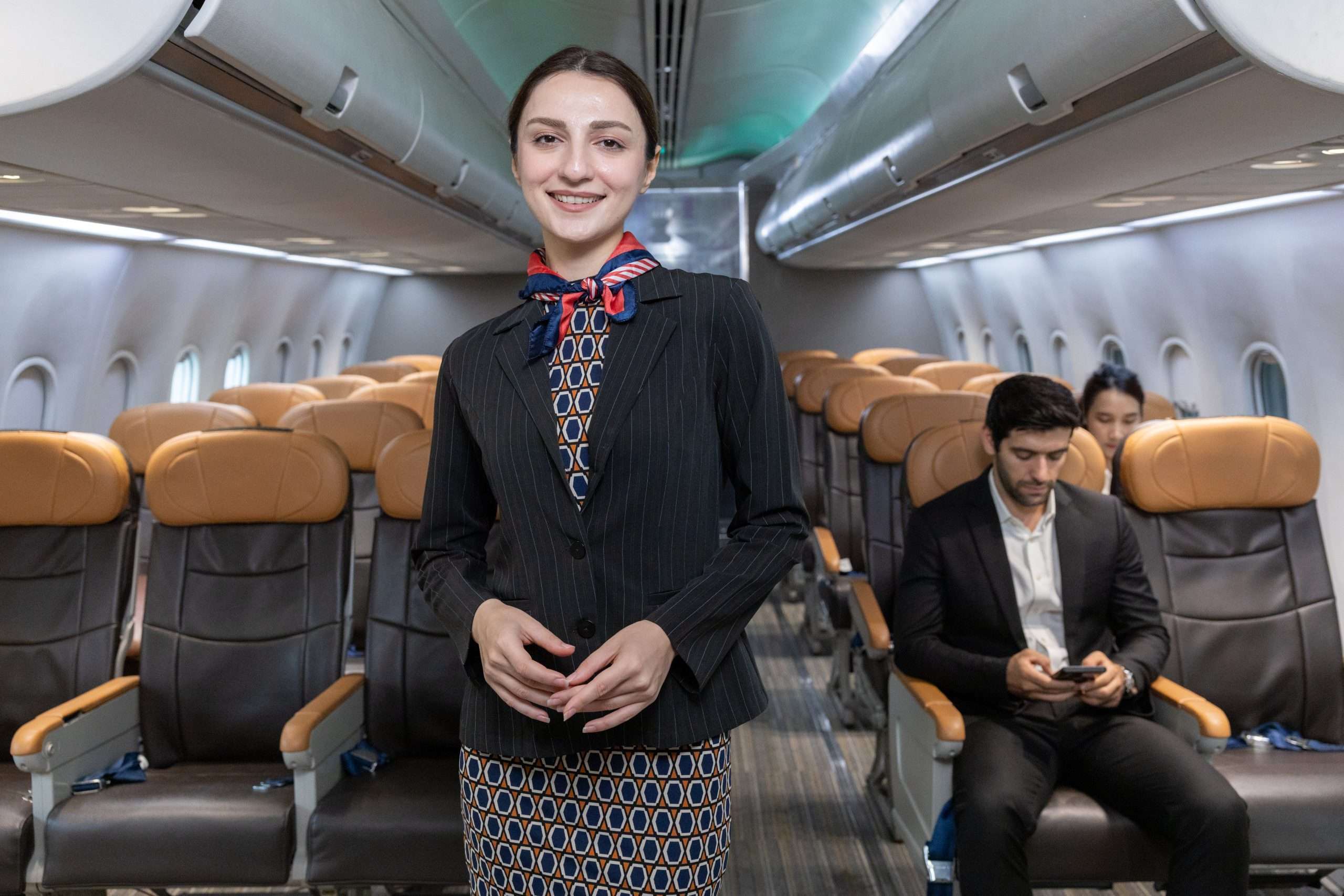
IATA educates passengers on rapid evacuation rules
Aircraft evacuations should take less than ninety seconds, but the increasingly common trend of rescuing luggage and filming with smartphones seriously compromises safety on commercial flights.
We are witnessing a time when smartphones and social media dictate behaviour, even in moments when seconds decide between life and death. Scenes of passengers stubbornly dragging cabin baggage during emergency evacuations, or filming the situation for a TikTok post, have become a nightmare for cabin crew and a serious problem for aviation operational safety. To put an end to this dangerous practice, the International Air Transport Association (IATA) has launched a global initiative called „Save a life, not a bag. By launching this campaign, the profession aims to directly influence passengers' awareness and make the job easier for crews who struggle with a lack of cabin discipline in crisis situations.
The initiative has received immediate and strong support from key regulatory bodies, including the European Union Aviation Safety Agency (EASA) and the US Federal Aviation Administration (FAA). The aim is to create a unified incentive within the industry and ensure that the message reaches every passenger before they even step onto an aircraft.
The big gap between theory and behaviour under pressure
Internal research conducted by IATA reveals a significant disparity between what passengers believe they know and how they would actually act in a crisis situation. Although as many as eighty percent of respondents claim to be familiar with safety protocols, figures in practice show a completely different reality. Almost forty percent of passengers do not recognise leaving personal luggage as a priority and the only correct action in case of danger.
This data clearly indicates that traditional pre-flight safety demonstrations are no longer achieving their desired effect. When you consider the fact that most passengers would more easily give up their bags if they had their most important documents and medications with them, it becomes clear that The aerospace industry must redefine the way it communicates with customers.. Experts therefore advise travellers to always keep essential items like passports, money and medication in their pockets, rather than in overhead compartments, so that in a panic they do not instinctively reach for their bags.
New strategy through digital channels and the role of agencies
To make the message as clear and memorable as possible, IATA has prepared a package of multilingual digital materials, from short videos to visual leaflets, which have been made available to air carriers. The idea is for these materials to be integrated into all communication channels – from mobile applications and flight check-in processes to social media posts, turning safety instructions into part of the everyday digital content that passengers encounter.
For tour operators, travel agencies and TMCs, this campaign presents an opportunity to educate clients through their own channels and thereby contribute to general safety. Rapid evacuation is not just a matter of aircraft technical certification, but also of collective discipline. When an individual pauses to take their suitcase, they not only endanger themselves, but create a bottleneck in the passageway and directly reduce the chances of survival for everyone behind them. The direct message of this campaign should become the new standard of behaviour in air travel, where compliance with crew instructions must be immediate and without hesitation.
Watch the IATA video message:


