


Europeans are changing the way they travel: less rushing, more time, and an increasing number of solo guests
DERTOUR's new research shows that slow travel, digital detox and solo travel are moving out of narrow market niches. Behind the change is not just a search for new experiences, but a desire for less stress, greater freedom and a different relationship with the time spent on holiday.
Tourism Industry For years, she sold travellers the idea that they should see as many things as possible on a single trip. More cities, more excursions, more attractions and as packed an itinerary as possible. It seems that a section of the European market is now heading in the opposite direction.
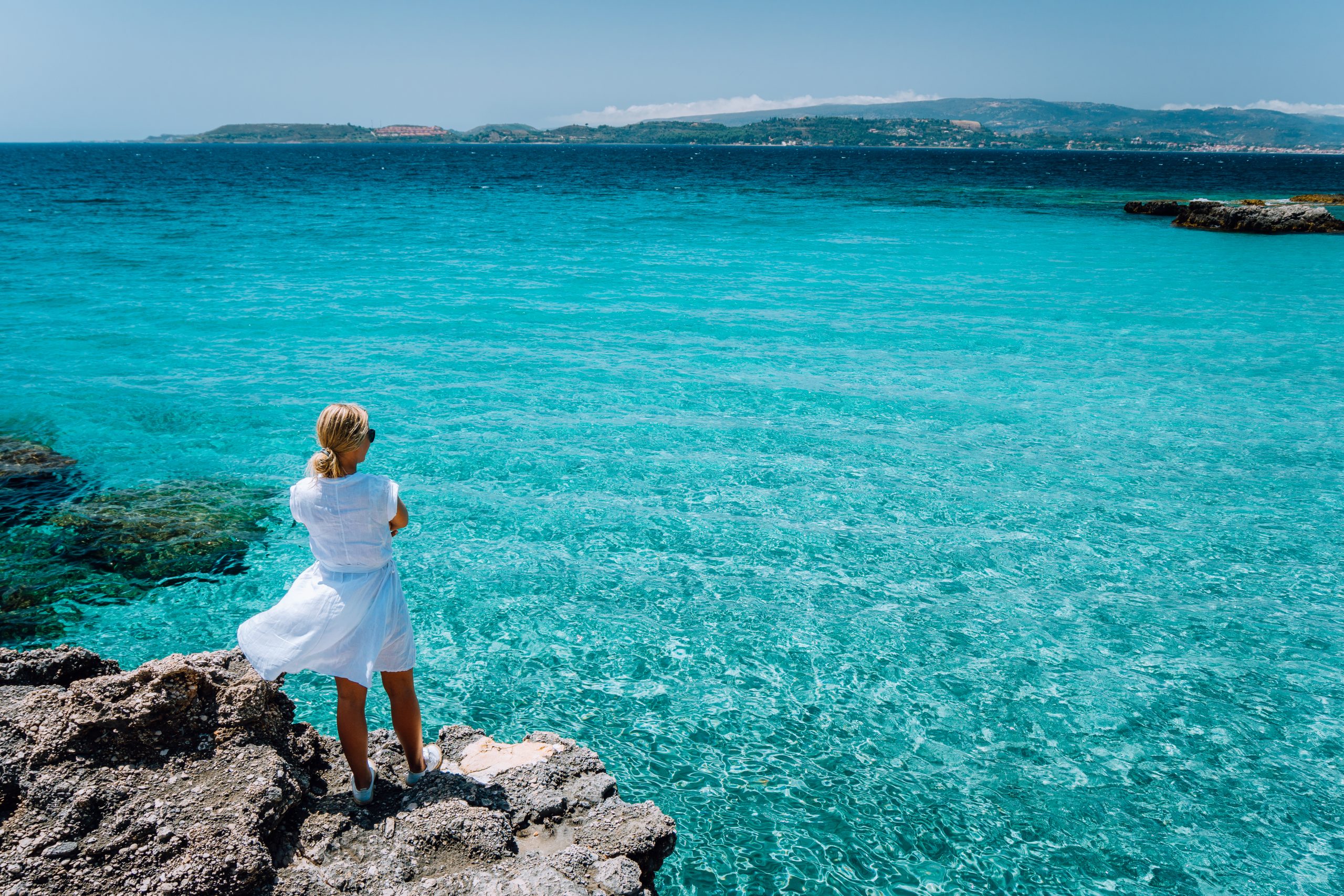
The third part of DERTOUR Group's European Travel Trend Report for 2026 shows that 53.21% of respondents are interested in slow travel. Even more interesting is why. Among travellers drawn to this style of travel, 58.5% simply want enough time for their destination without feeling rushed. For 52%, the motivation is personal well-being and stress reduction.
In other words, slower travel here is not primarily a story about transport or sustainability. Above all, it is a response to overcrowded schedules and the need to make a holiday feel like a holiday again.
Fewer attractions do not necessarily mean lower spending
That shift raises an interesting question for hotels, DMCs and tour operators. If a guest no longer wants seven activities in three days, that does not mean they want a lower quality product. On the contrary, value can shift towards a longer stay, local gastronomy, smaller groups, nature, wellness, slower tours and activities that do not require strict hour-by-hour planning.
DERTOUR states that 63.61% of respondents who lean towards slow travel enjoy a more relaxed way of travelling, while 58.31% prefer to choose a few experiences they will remember rather than a large number of activities. More than half, 55.41%, want more time to get to know the local culture, nature and people.
The trend is already affecting product development within the DERTOUR Group itself. Examples include the more flexible „Go with the Flow“ programmes from Meier's Weltreisen, the „Slow Glamour“ concept of the hotel brand ananea, as well as the Blue Cruises by I.D. Riva Tours along the Croatian coast.
For the domestic tourism industry, precisely that detail is interesting. The Croatian product already has elements that fit in well with slow travel – islands, smaller towns, nautical tourism, gastronomy, and the possibility of combining multiple local experiences without constantly changing destination. A greater challenge will be turning such an offer into a reason for a longer stay, especially outside of July and August.
JOMO instead of FOMO is also entering tourism
In its report, DERTOUR also uses the term JOMO, or „Joy of Missing Out“. This is almost the complete opposite of the better-known FOMO.
Such a guest has no problem with not having seen every attraction from the list. They would rather leave part of the day unplanned, spend more time in one place or consciously forego another excursion.
Digital detox is also linked to it. Almost half of respondents, 48.91%, see a holiday as an opportunity to distance themselves from social media and digital distractions. Among travellers aged 25 to 44, that share exceeds 50%.
For hoteliers Digital detox should not be interpreted as abolishing Wi-Fi, either. The guest still expects good technology when they need it. The difference is that the product can be designed to give them a reason to put their screen aside – through nature, gastronomy, wellness, activities and spaces that encourage a stay without constant digital stimulation.
Solo travel is no longer just a product for single people
An even more important business signal comes from the solo travel segment. Almost 30% of Europeans surveyed consider it likely that they will travel alone in the next 12 months.
In this context, solo does not necessarily mean single. Such a trip is considered by 37.61 per cent of singles, but also by approximately a quarter of people who are in a relationship, married or in a registered partnership.
Germany shows the greatest interest, with 36.11 per cent of respondents considering a solo trip. It is followed by Sweden at 35 per cent, France at 32.21 per cent, the United Kingdom at 29.81 per cent and Poland at 28.91 per cent.
Booking data further show why this segment should interest destinations. Across DERTOUR's European markets, solo travellers stay on average 10.4 days, compared with an overall average of 8.9 days. As many as 65% of their trips take place outside the June to August period, compared with 56% for all travellers.
These tastes make them particularly interesting as destinations trying to extend the season.
The problem is that a large part of the hotel product is still designed for two
The most sought-after accommodation among potential solo guests is very practical: 38.41% want hotel rooms and offers made for a single person.
That is still a weak spot for a large part of the market. The solo guest often pays the price of a product whose economics are set up for two people, especially in traditional leisure hotels and package holidays.
At the same time, 27.91% want the option to connect or travel with people who share similar interests, 26.91% are seeking personalised and carefully curated experiences, and a quarter want a clearly available contact person in case of any problems.
So, a solo guest doesn't necessarily seek solitude. They seek the freedom to decide for themselves, but with the possibility of company and support when they want it.
This is also confirmed by DERTOUR's British specialist Jules Verne. Already, 511 TP3T bookings for his small-group trips in 2027 are coming from solo travellers, compared with 481 TP3T for the 2026 programmes.
German booking data reveals an even more interesting profile
A special analysis of bookings from DERTOUR, ITS, Meiers Weltreisen and Travelix Last Minute for winter 2025/26 shows that 18% of all trips were solo.
These guests travelled for an average of 13.5 days, four days longer than guests travelling in company. They booked an average of 74 days before departure, while the overall average for all travellers was 107 days.
They are not necessarily seeking luxury in the traditional sense. As many as 531 TP3T booked four-star hotels, and 271 TP3T booked five-star establishments. Half opted for all-inclusive, slightly above the average of other guests.
This suggests an interesting pattern: the solo traveller may be somewhat less insistent on the highest hotel category, but instead values time, comfort and convenience. Among younger solo travellers aged up to 49, average spending per night was even 111% higher than that of their peers travelling in groups.
For the industry, therefore, behind popular terms such as slow travel, JOMO or digital detox lies a fair amount of concrete business change. The guest wants fewer commitments, but more control over their own time. They want to stay longer, change plans more easily and get a product that is not automatically made for the traditional couple or family.
For hotels and tour operators, the opportunity therefore may not lie in creating yet another special „trend“ category. The greater opportunity is to remove what frustrates the traveller: overcrowded itineraries, high single supplements, rigid packages, and a seasonal offering that practically disappears as soon as August ends.


