




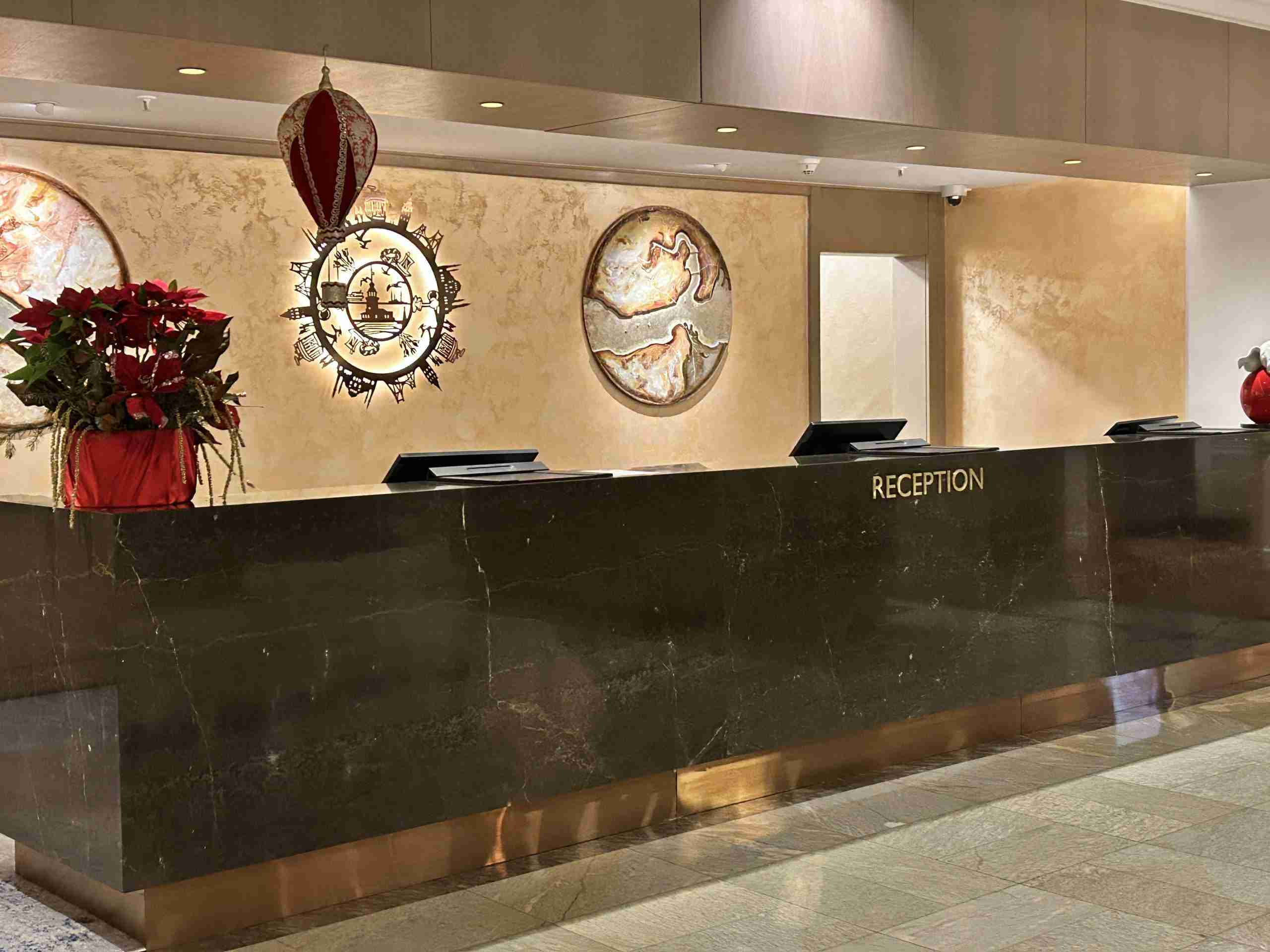
The AI arrived at the hotel reception: in Vienna, a virtual host guides guests through the check-in process
The Novi Hotel Schani Naschmarkt in Vienna is among the first concrete European examples where an AI avatar becomes part of the daily reception work. The technology tracks guests throughout check-in, answers questions, and connects digital services with the hotel systems.
Instead of another chatbot hidden on a hotel website, Schani Hotels brought artificial intelligence to the guests.
The Hotel Schani Naschmarkt, opened on September 23 in the sixth district of Vienna, has 90 rooms, and among its technological innovations is a digital host developed as part of a collaboration with Fraunhofer IAO.
AI avatar takes over part of the reception work
The guest can go through almost the entire registration process via the screen. The system allows for entering personal and identification information, verifying the account and billing address, and issuing the room key.
Virtual host It remains available even after booking. They can answer questions about breakfast, the Wi-Fi network, parking, room cleaning, or check-out, but also offer information about Vienna. The guest can then add services such as breakfast or late check-out, and link the paid extras directly to the reservation.
The Fraunhofer IAO project views it as a test of the actual interaction between guests and AI systems. The researchers emphasize that the result will not depend solely on the quality of artificial intelligence. It will be crucial to integrate it with existing hotel processes, with guest trust and data protection.
Hotels want to automate the routine, not hospitality
The example from Vienna is part of a broader change in hotel technology.
Mews introduced a system at the beginning of October that combines communication via WhatsApp, SMS, Booking.com, Expedia, and the hotel portal. According to the company, their AI can automatically answer about 80 percent of guests' routine questions.
However, the industry is still far from complete automation. New research RateGaina, NYU and HEDNA, A study conducted on data from more than 270 hotel brands and 58,000 properties shows that more than half of the hotels already use or are acquiring generative AI. However, less than ten percent report a reduction in manual labor of more than 30 percent.
What changes for guests and tourism intermediaries?
For the guest experience, change is important primarily after booking. A growing portion of communication with the traveler can move from the traditional front desk to the hotel’s digital ecosystem.
This opens up space for faster check-in, easier purchase of additional services, and fewer operational inquiries. However, it becomes even more important for agencies to know what post-booking communication the hotel sends to the joint client and who controls the relationship with the guest after the confirmed reservation.
That part could actually be more important than the AI avatar itself. Hotel Artificial intelligence is gradually moving from responding to questions to managing specific steps during the stay.


