




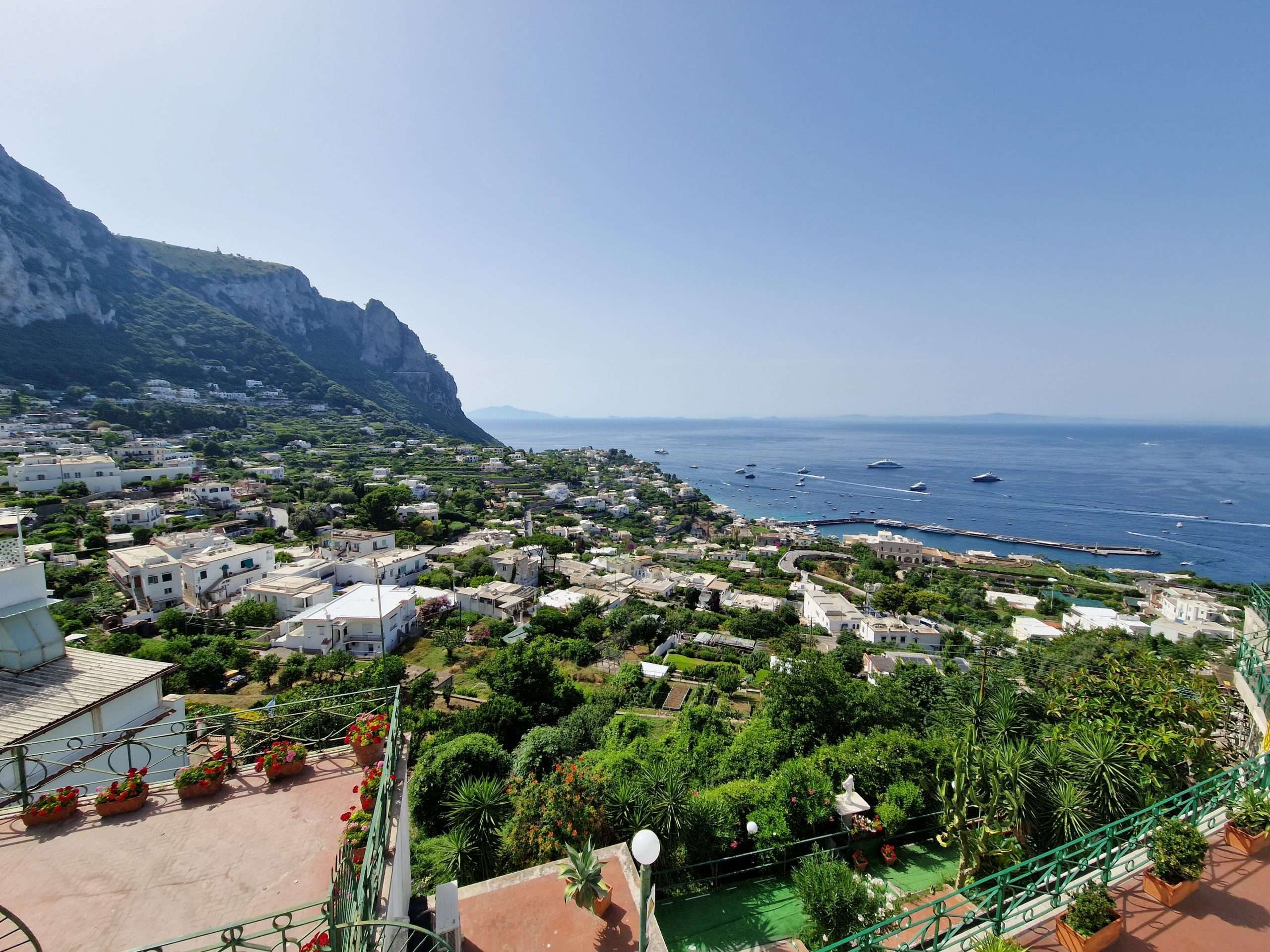
Strict measures on Capri: Fines of up to 500 euros for aggressively accosting tourists
The well-known Italian island is implementing an “anti-harassment” ordinance to protect visitors from pushy promoters and to enhance the overall tourist experience.
Maintenance Premium image destinations This often clashes with mass access to field sales. Capri, one of the most visited Italian locations, has decided to take concrete action against a practice that has been damaging the guest experience for years. Aggressive street hawking and direct soliciting of passers-by will soon be a thing of the past, marking a significant shift in the micromanagement of this island destination.
New rules for a cleaner destination image
A new local ordinance, internally dubbed the anti-harassment measure, directly targets intrusive touting of passers-by. Restaurants, local agencies, and various tour operators that rely on handing out flyers and physically “hawking” guests into their establishments will face serious sanctions. The anticipated fines amount to up to 500 euros for each infraction. This move by the island authorities clearly indicates the direction in which local tourism is desired to develop – a move away from cheap tactics towards a more structured and professional approach to guests.
Business implications for the industry
For tourism professionals, particularly DMCs and tour operators creating offers for southern Italy, this change means a more reliable and relaxed environment for their clients. The elimination of so-called tourist traps from the streets of Capri directly increases the perceived value of the destination itself. On the other hand, local service providers will have to completely redefine their sales strategies. Reliance on street promoters will have to be replaced. with stronger B2B cooperation, a better digital presence and integration into pre-booked package deals.
This move by Capri isn't an isolated incident, but part of wider trend in the Mediterranean where overloaded destinations are actively working to protect their brand. Limiting unmanaged tourism on the ground is becoming a necessity, and destinations that introduce municipal order in time will ensure a better market position in the long run and more easily attract clientele with higher purchasing power.


