




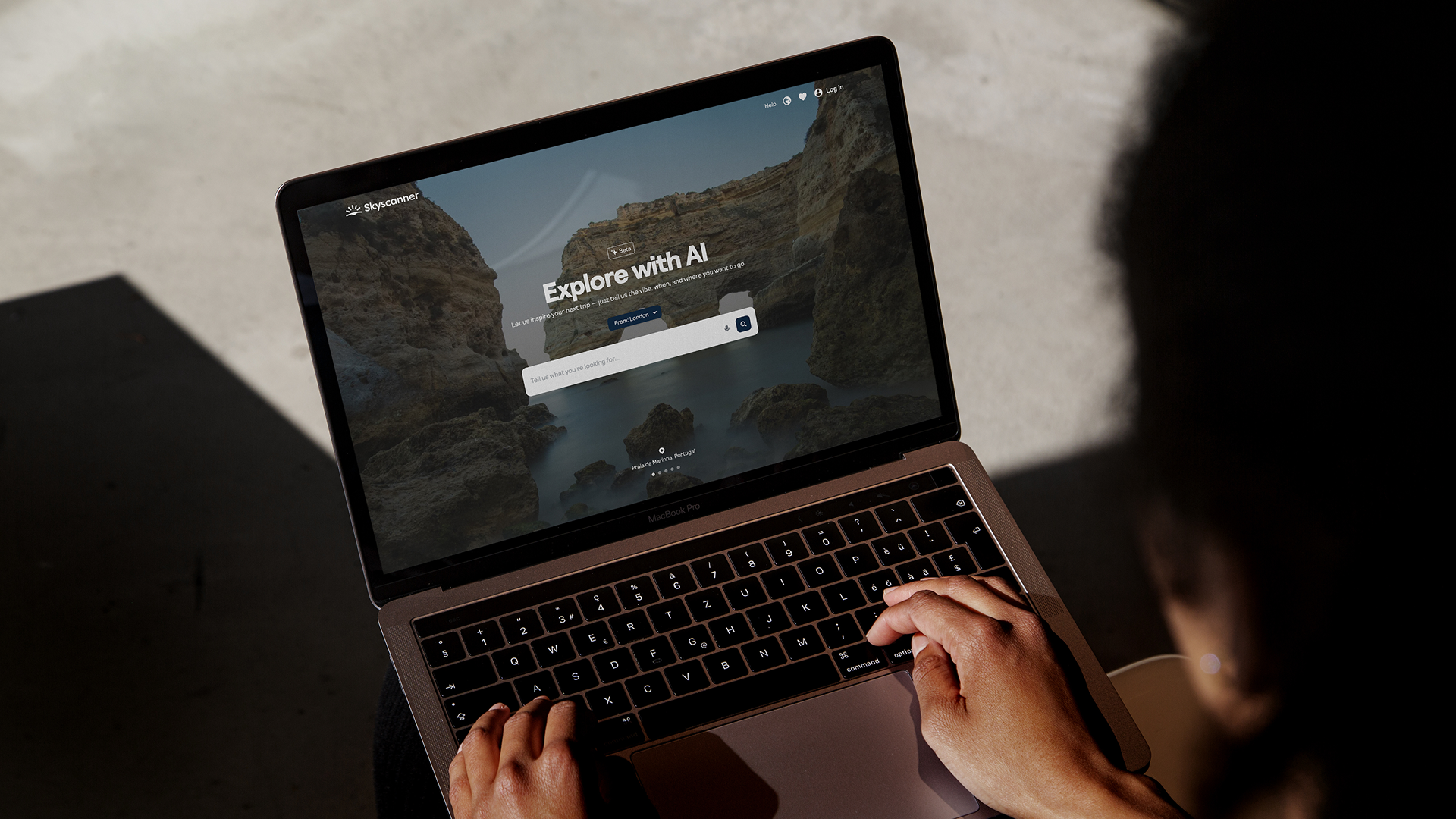
Skyscanner expands package deal comparison to six European markets
Skyscanner is expanding its offering beyond comparing flight tickets and hotels. The new service allows travellers to compare complete holiday packages, and opens up an additional sales channel for tour operators and online agencies.
Skyscanner has expanded its package holiday comparison service to France, the Netherlands, Italy and Spain. After launching in the United Kingdom in early 2026, and then in Germany, the service is now available in six European markets. Further expansion is planned for 2027.
The news is particularly interesting to travel agencies and tour operators because Skyscanner, primarily known for comparing flight prices, is increasingly moving into the organised travel segment. It allows travellers to compare offers from various organisers in one place, including combinations of air travel and hotel accommodation.
Among the providers included in the comparison are TUI, Jet2, Expedia, On the Beach, easyJet Holidays, lastminute.com and loveholidays. The new partners are British Airways Holidays, Sembo and AirNGo.
Skyscanner is used by more than 160 million travellers every month.
Skyscanner states that its platform attracts over 160 million travellers each month. For tour operators, such reach represents an opportunity to present their packages to users who are already actively exploring travel options.
The company also reports a 19% rise in interest in package holidays during the peak booking season. According to its data, 91 million package deals are searched for on the platform each day. As the methodology details have not been published, this figure should not be equated with the number of individual users or bookings made.
Catriona King, Skyscanner's global vice-president of commercial operations, emphasised that the aim is to simplify finding affordable holiday deals. According to her, users have welcomed the new service, and interest in flight-and-hotel combinations has driven further expansion.
How does the package deal comparison work?
Unlike a traditional online travel agency, Skyscanner primarily operates as a metasearch engine. The traveller compares available offers from various service providers and, to complete the booking, is redirected to the selected vendor's website.
For Package deals compare flight and accommodation combinations., with the option of various additional services, depending on the provider. The display allows you to compare prices, length of stay, hotel categories and other available travel features.
Such a model increases the importance of supply competitiveness even at the search stage. Tour operators compete for users' attention before they visit their own sales page.
At the same time, success does not depend solely on price. The availability of packages, clearly displayed terms and a straightforward booking process can influence whether a prospective traveller completes the purchase.
What does the expansion of Skyscanner mean for agencies and hotels in the region?
Although Croatia, Slovenia and other South-Eastern European markets are not yet listed among the countries where a local version of the service has been launched, the regional tourism industry could still benefit indirectly.
Hotels Tourism companies that already collaborate with international tour operators can potentially gain additional visibility if their partners include their products in the packages displayed on Skyscanner.
For example, a hotel on the Croatian coast sold through British or German tour operators could reach new customers via package holiday comparisons. Whether a particular property will actually appear in the results depends on the offerings and distribution capabilities of the partners involved.
For regional tour operators This is also a reminder of the importance of distribution strategy. In addition to their own websites, agency sales networks and online travel agencies, metasearch engines are becoming another channel through which travellers discover organised trips.
However, the published information does not confirm the possibility of directly connecting new regional tour operators, nor does it specify the commercial and technical conditions of cooperation.
Package deals are making a comeback in digital distribution
Skyscanner's expansion shows that traditional package deals still have their place in the digital environment, where travellers often combine flights, hotels and additional services themselves.
For travel organisers, this opens up additional sales opportunities while also increasing price transparency. When a traveller can compare several almost identical packages in one place, differences in inclusions, terms and overall price become more easily apparent.
Whether the new distribution option will be cost-effective for a given tour operator will depend on the costs of attracting customers, the bookings secured and the margin it can retain.
For hotels and agencies in Southeast Europe, the first practical step could be to check with existing international partners whether they distribute their packages via Skyscanner and in which markets.


