



North Macedonia records air traffic records, but tourist overnight stays are not yet keeping pace with growth
Record traffic at Skopje and Ohrid airports shows how quickly North Macedonia's aviation connectivity is changing. However, the accommodation statistics reveal a more complex picture: the number of tourists and nights spent in the first half of 2026 remained slightly below last year's level.
More than 460,000 passengers in one month
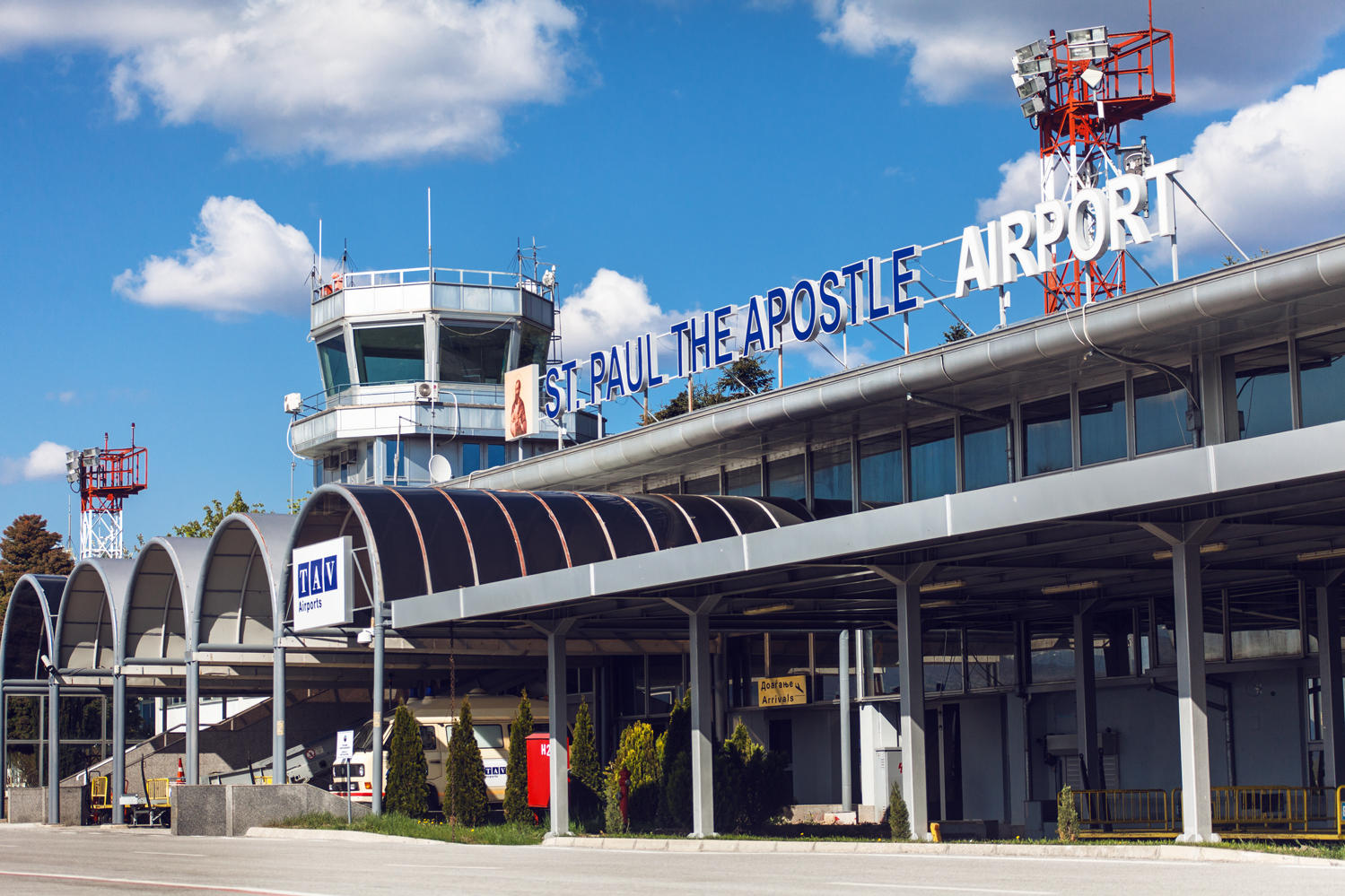
July brought record results for both international airports in North Macedonia. Ohrid Airport served about 52,500 passengers, up 41 percent from the same month last year. About 409,000 passengers passed through Skopje International Airport, with 2,670 flights completed.
Transport Minister Aleksandar Nikoloski estimates that continuing at the current pace could bring the two Macedonian airports closer to the four million passengers per year limit. The government has been boosting growth in recent years by subsidizing new routes and attracting additional airlines.
Tourism statistics show a different pace
Growth in air traffic So far, however, it does not automatically translate into equal growth in registered tourist traffic.
From January to June 2026, the total number of tourists in North Macedonia decreased by 0.5 percent. Domestic tourists were 3.1 percent fewer, while the number of foreign guests increased modestly by 0.3 percent. The total number of nights spent fell by 1.5 percent.
In June alone, 113,436 tourists and 221,608 overnight stays were registered. Foreigners accounted for 77.2 percent of all tourists and realized 70.8 percent of overnight stays. The largest emitting market was Turkey with 24,570 tourists, followed by Serbia with 8,522, Germany with 4,396, and Bulgaria with 3,207 guests.
Aviopovezanost opens up space for the growth of tourism spending
For tourism industry The difference between the growth in passenger traffic and overnight stays may be the most interesting fact of all.
More lines bring better accessibility to the destination, but the next step will be to convert that capacity into longer stays and greater tourist spending. Ohrid has a particularly strong potential in this regard, while the high proportion of guests from Turkey and Serbia shows how important the regional and nearby emerging markets are for the further development of the destination.


