




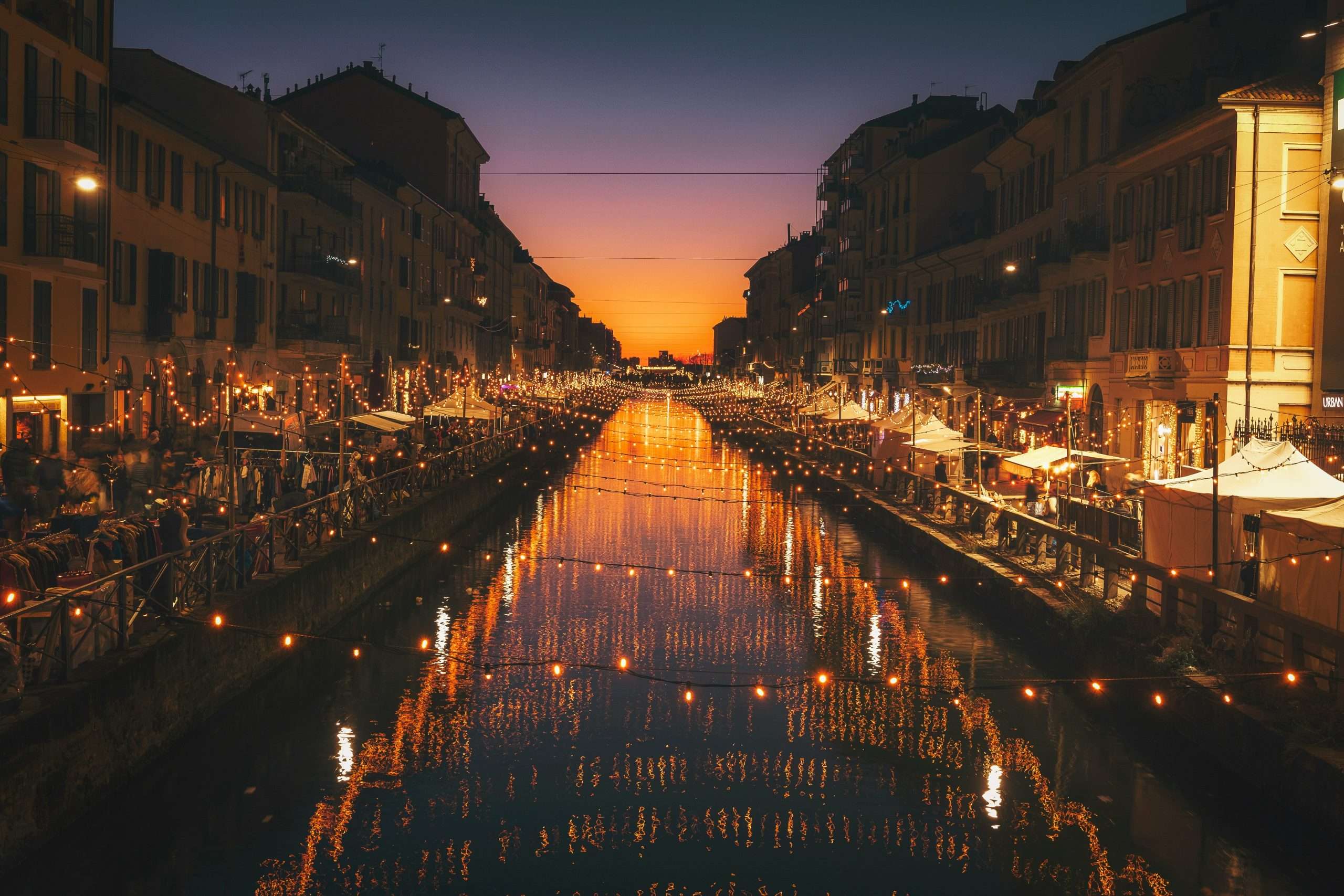
Milan is raising its tourist tax for luxury accommodation, while investors continue to pour into Italian hotels.
The Italian capital of fashion and business has decided to further charge for its status as a premier destination, but a stricter tax policy is in no way hindering the investment momentum currently reigning in the local property market.
New taxes exclusively target the elite segment
Milan is introducing a new tourist tax price list from April, and the greatest burden of this change will be borne by the guests with the deepest pockets. An overnight stay in five-star hotels will now be charged at 12 euros, an increase from the current 10 euros and the highest amount in the city's history. Interestingly, the city authorities have decided to adopt a progressive model – while the luxury sector is seeing a price increase, the fees for accommodation in lower categories remain the same or have even been slightly reduced in some cases.
This move is enabled by the new state budget, which allows local authorities to raise tourist taxes up to two euros per night. Milan thus continues the wave of price increases that began at the start of the year, in direct preparation for the upcoming Winter Olympics. Milano and Cortina. The City Administration does not hide that it plans to cover all major costs of maintaining urban infrastructure, public safety and cleanliness with these funds, which are under constant pressure due to the record influx of tourists.
Record investments despite tax pressures
Although the introduction of higher levies elsewhere might have caused caution, the Italian hotel market is currently experiencing a true renaissance. Last year closed with an impressive €2.5 billion in total investments in the hotel sector, representing a 20 per cent increase compared with the previous period. These figures clearly show that institutional investors and hotel chains are counting on the long-term stability and profitability of Italian tourism.
The geographical distribution of capital confirms that mature urban destinations remain a magnet for business. Rome holds the leading position with a quarter of total investments, Milan follows with 16 per cent, while Venice attracts around 10 per cent of the total capital. More than half of all investments end up in major tourist and business hubs, with foreign funds playing a key role, holding a 53% share of the total investment volume.
The dual dynamic that is currently happening in Italy – strengthening local budgets through selective taxes on the one hand and strong expansion of private capital on the other – is an excellent indicator of market maturity. For tour operators and agencies dealing in luxury travel, this is a clear signal that local costs will rise, but also that the quality of hotel offerings will be at an even higher level in the coming years due to enormous investments in renovations and new facilities.
This Italian model, which balances the sustainability of city budgets with the promotion of the hotel business's growth, will likely serve as an exemplary model for other European countries struggling with the consequences of mass tourism in historic centres.


