



Ljubljana is redefining its charter strategy for 2026.
The Slovenian airport is fighting for passengers by optimising processes and working closely with agencies, while figures in the charter segment are reaching pre-pandemic levels.
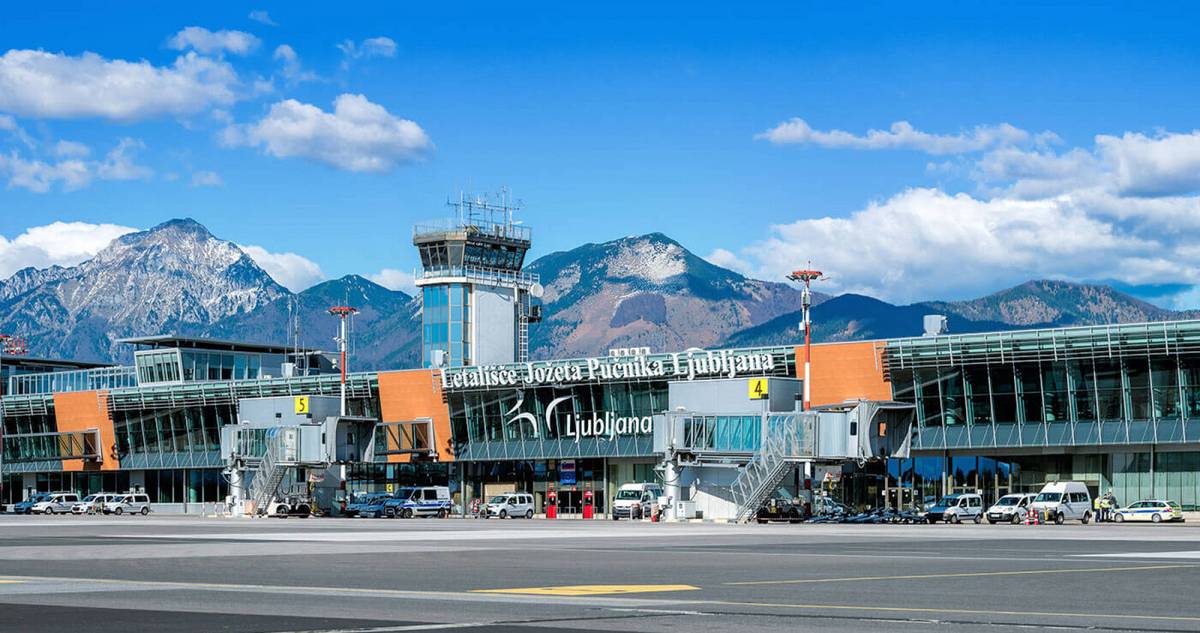
The start of the summer season at Ljubljana Jože Pučnik Airport brings clear signs of recovery and stabilisation of the charter market. According to projections by operator Fraport Slovenija, around 130,000 leisure passengers are expected to be organised through the terminals at Brnik this year. Although the region is facing a reshuffling of powers and aggressive growth from competing airports such as Zagreb and Venice, Ljubljana manages to retain its share in outbound tourism through targeted niche operations and synergy with key tour operators.
The first rotations of the season traditionally headed to the Greek islands, but the industry's full focus is on the return of mass package holidays to North Africa and Turkey, where above-average occupancy rates are recorded.
Operating pressure and early morning rotations
Increased demand in the family travel segment also brings serious logistical challenges for the operator. To avoid overlap with regular routes and make optimal use of slots, most charter flights are allocated to early morning or late evening hours.
This schedule also required internal opportunities within the airport itself. Fraport Slovenija has significantly invested in the efficiency of arrivals and departures in recent times, with a special emphasis on speeding up the check-in process for large groups organised by agencies. For the airport management, the stability of this segment is of exceptional importance; charter passengers generate the critical mass that fills non-aeronautical revenue, primarily through retail and catering facilities in the terminal.
Diversity of capacities as a shield against competition
The key to the survival of the Ljubljana Charter lies in extremely flexible capacity management (allotments). Local tourist agencies such Palms, Relax, ETI-es and others have established a network with a range of carriers to diversify risk and offer competitive prices.
Capacity for peak season is provided by airlines such as domestic. Trade Aira, of Greek Aegean Airlines, but also companies such as Sky Vision, Nile Air, Air Mediterranean, Nouvelair and Freebird. This range of carriers allows agencies to react quickly to changes in demand in destinations such as Antalya or Hurghada, which are once again recording a return to 2019 levels. Ljubljana thus proves that, despite the infrastructural and network advantages of larger regional hubs, direct transfer and integrated local service remain a crucial factor for Slovenian travellers.


