
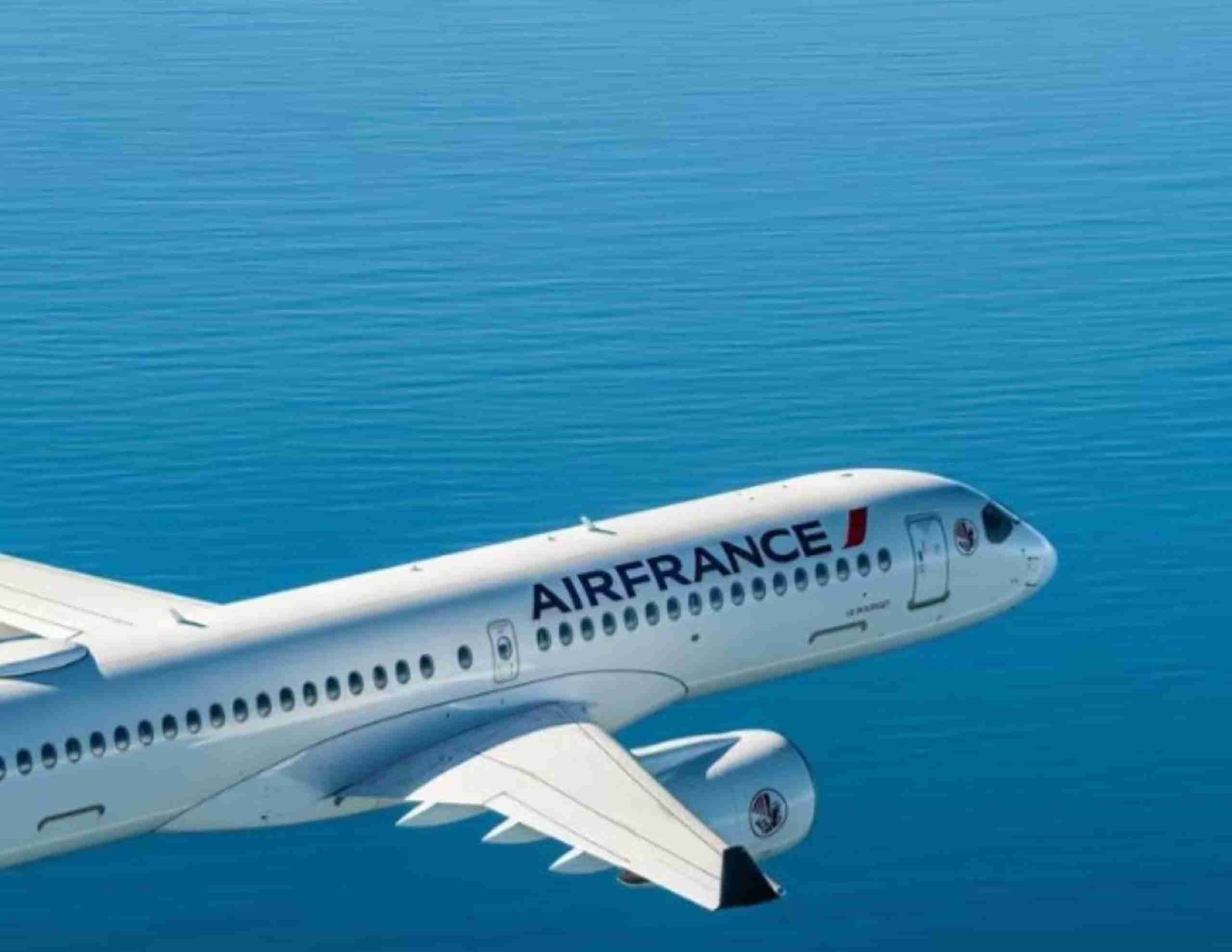
Air France-KLM increases GDS fee for TMC agencies: from 2027, seven euros per direction.
From 1 January 2027, Air France-KLM is increasing the EDIFACT fee from four to seven euros per direction for agencies specialising in corporate travel in France and selected international agencies. The new fee will apply until 30 June 2027, with the aim of further encouraging the shift to NDC distribution.
The airline group Air France-KLM continues to increase the cost of using the traditional GDS/EDIFACT channel for some TMC agencies. From the beginning of next year, the preferential distribution fee will rise by 75 per cent, widening the price gap between traditional bookings and those made via NDC.
For a return journey to which this fee applies, the total amount will increase from eight to 14 euros. Although this represents a six-euro increase per return ticket, the new fee still remains significantly lower than the standard EDIFACT surcharge applied outside the preferential regime.
NDC is advancing, but corporate travel is lagging behind
For several years, Air France-KLM has been gradually adapting its distribution policy to enable agencies to transition to the NDC without a sudden increase in costs.
During 2025 the concessionary fee was three euros per direction, and at the beginning of 2026 it was increased to four euros. The group then extended its application until the end of the year, postponing the earlier planned transition to the standard fee.
Data presented by Air France-KLM to French trade media show that NDC has reached 60 per cent of distribution in France. However, in the corporate travel segment that share stands at 38 per cent, while for some large companies it reaches as high as 90 per cent.
The disparity points to the uneven application of new distribution technology among corporate clients and their agency partners.
After-sales services remain an important challenge.
For TMCs, the transition to NDC requires more than just the ability to book airline tickets.
Corporate travel often involves schedule changes, cancellations, refunds and more complex itineraries. These processes have been developed over years in the traditional GDS environment, whereas the degree of their automation in NDC systems depends on the airline and the technology solution the agency uses.
Air France-KLM states that it is continuing to invest in after-sales functionality and to develop flight connection options with its partner airlines, Delta Air Lines and SAS.
Some distribution partners continue to warn of insufficient productivity in certain NDC processes, despite advantages such as broader content and continuous pricing.
What does the increase mean for TMC agencies?
A higher EDIFACT fee can affect the overall cost of corporate travel, particularly for companies with a large number of bookings on Air France and KLM flights.
For example, for 1,000 return journeys per year covered by the concessionary fare, the difference between the current and new conditions would amount to €6,000.
In doing so, it is necessary to distinguish between the cost included in the booking price and the operational costs of the TMC agency itself. Depending on the contractual model with the corporate client, the increase may be reflected in the travel price or on the overall economics of service provision.
For TMC agencies in the region, this increase has not been announced, but it is expected that they will strive to have the model harmonised globally. The announced increase does not automatically apply to all travel agencies.
Air France-KLM does not currently plan to increase the standard EDIFACT fee for the leisure travel segment, which stands at €24 per direction. Thus, the change from 1 January 2027 remains focused on the preferential distribution regime for certain agencies handling corporate travel.


