




A new era is dawning in the aviation industry: Autonomous AI agents are taking over operations and sales
The aviation industry is transitioning from testing artificial intelligence to real-world application, with advanced digital assistants capable of independent decision-making and solving operational challenges taking on a key role.
Technological progress in the aviation sector has reached a key turning point. The previous focus on simple chatbots and automated responses is rapidly fading in favour of a new generation of technology – autonomous AI agents (agentic AI). Unlike their predecessors, these systems do not passively wait for commands, but possess the ability to independently plan, execute complex tasks, and make decisions within defined business frameworks.
Joint research conducted by Amadeus and Microsoft This indicates that in the next year and a half, we can expect mass integration of these systems into the very foundations of the aviation business. Discussions with leaders of major airlines, such as Southwest Airlines, Icelandair, and Azul Linhas Aéreas, confirm that the industry no longer views artificial intelligence as a distant future, but as a necessary tool for resolving everyday operational bottlenecks and improving sales results.
From voice rebooking to smarter airports
The biggest leap forward in user experience is happening in the area of crisis support. The technology is now mature enough AI could completely take over telephone troubleshooting for cancelled or delayed flights. Voice-based AI can identify passengers, understand their oral requests for rerouting, offer suitable alternatives, transparently calculate fare differences, and process payments on the spot. Given that the system can handle hundreds of conversations simultaneously in different languages, the pressure on traditional call centres during major traffic disruptions could drastically decrease.
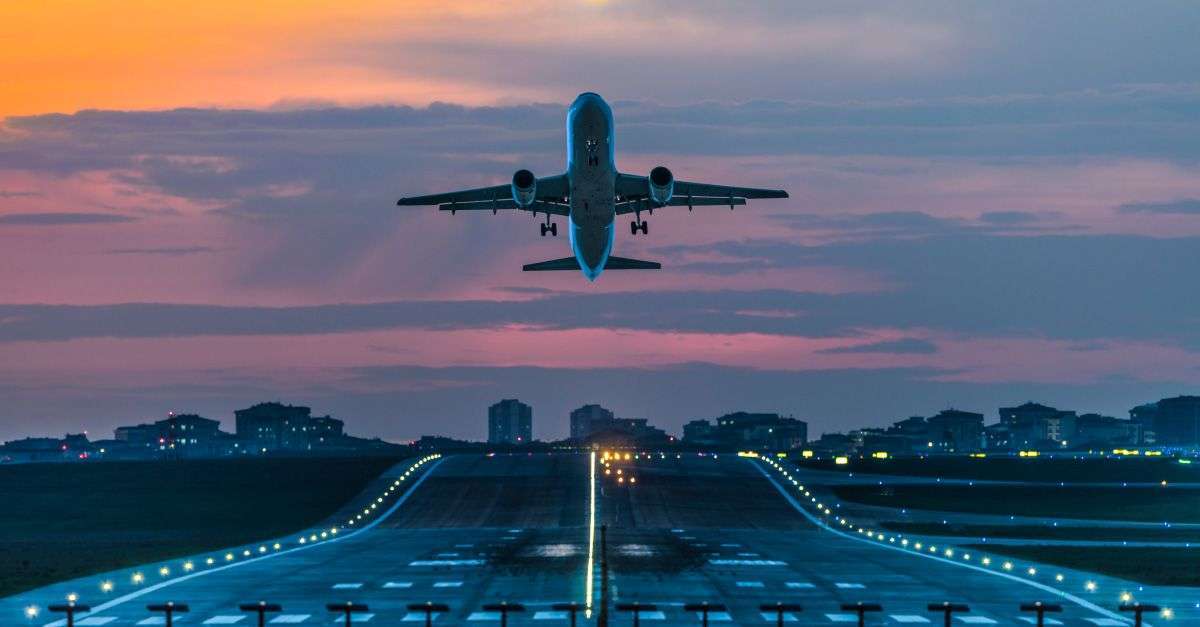
On the other hand, optimising processes on the runway itself resolves chronic delays. Managing aircraft rotation time, which is the process between landing and take-off, requires synchronisation of refuelling, technical maintenance, and crew coordination. Interconnected teams of AI agents are capable of monitoring all these segments in real-time and proposing fast, integrated solutions to operations centres to ensure the aircraft departs as soon as possible.
Marketing automation and offer personalisation
In a commercial context, autonomous systems are changing the way airlines fill cabins and communicate with the market. Smart marketing agents can independently identify that a particular route is experiencing lower bookings, analyse market parameters, create a campaign strategy, generate digital advertisements, and optimally allocate the budget across sales channels. They do all this with minimal human oversight, delivering finished performance reports.
At the same time, fixed and rigid rules in package sales are being replaced by dynamic systems. By connecting fragmented data on traveller habits, AI agents create personalised offers and tailor the digital travel experience to directly align customer desires with the airline's current commercial priorities.
The foundation of success lies in clean data and clear control.
However, the transition to autonomous operations also brings serious challenges. Amadeus's report clearly highlights that no advanced software can compensate for a flawed and poorly organised database. Preparing, cleaning, and structuring internal data is the first and most important step for any carrier wishing to move in this direction. Without stable foundations, decisions made by AI can be flawed and create additional costs instead of savings.
It is equally important to establish solid governance frameworks. Companies must accurately assess in which processes artificial intelligence is truly the optimal solution, and where the human factor remains irreplaceable. Responsibly scaling technology and maintaining passenger trust will be key priorities for management in the coming period.
For the wider B2B ecosystem – including travel agencies and corporate travel management companies (TMCs) – this transformation means faster distribution, reduced administrative burden, and a more stable service, a clear sign that the rules of the game in travel organisation are being rewritten.


