


Slovakia, Poland, Romania and Montenegro are growing at least three times faster than European tourism
The European Travel Commission's latest quarterly report shows that four markets in Central and South-East Europe grew several times faster in 2026 than Europe as a whole. This opens up room for new programmes for agencies, but the region's price advantage can no longer be taken for granted.
International tourist arrivals in Europe rose by 2.9% and overnight stays by 2.7% from the start of the year to September compared with the same period in 2025. Behind the modest average lie large differences. Slovakia recorded 14.8% more international arrivals, Poland 10.7%, Romania 9.8% and Montenegro 9.6%.
The figures come from the European Tourism: Trends & Prospects report for the third quarter of 2026, which the European Travel Commission (ETC) bases on the TourMIS system. Over a comparable period, Spain recorded 5.4% more arrivals, France 2.7% and Italy 1.2%. The periods are not the same everywhere: for Poland, Romania, France and Italy the data cover January to July, and for Slovakia, Montenegro and Spain January to August.
Tragento · data
Growth in international arrivals and overnight stays in 2026
Change compared with the same period in 2025
Slovakia January – August
Arrivals +14,8% · Overnight stays +15,4%
Poland January – July
Arrivals +10,7% · Overnight stays +9,2%
Romania January – July
Arrivals +9,8% · Overnight stays +9,0%
Montenegro January – August
Arrivals +9,6% · Overnight stays +8,5%
Europe (average) January – September
Arrivals +2,9% · Overnight stays +2,7%
Data source: ETC / TourMIS, Q3 2026 report. Periods differ by country.
Slovakia the fastest, Poland the largest
Slovakia is the fastest-growing destination in the report in terms of both arrivals and overnight stays. Overnight stays by foreign guests rose by 15.4%, slightly more than arrivals, which points to a slightly longer average stay. ETC links this growth to Slovakia's popularity as a destination for nature and wellness holidays.
Poland is growing more slowly, but from a much larger base. According to ETC, it made the largest contribution in absolute terms to the growth in visitor numbers in the region, even though Slovakia had a higher rate. The same mismatch between growth rate and volume was also highlighted by Eurostat's data on short-term rentals for the second quarter: Slovakia grew by 17% there, while Poland recorded around ten times as many overnight stays.
Romania and Montenegro: more guests, shorter stays
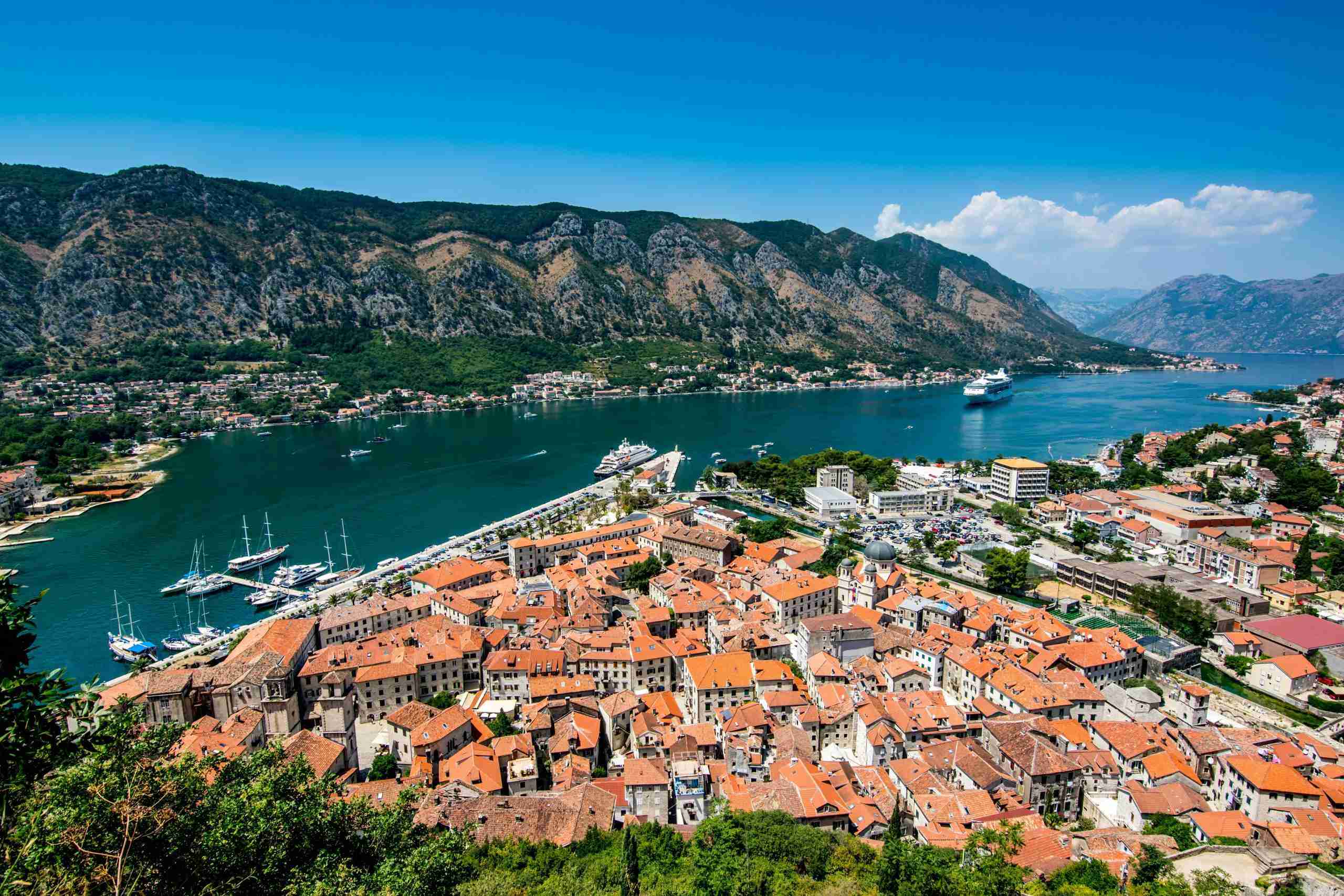
By July, Romania had 9.8% more international arrivals and 9% more overnight stays. By August, Montenegro had increased arrivals by 9.6% and overnight stays by 8.5%. In both countries, overnight stays are growing more slowly than arrivals, so the average stay of foreign guests is getting slightly shorter.
For agencies, this is a reminder that the number of bookings is not the whole picture. Shorter stays mean fewer nights per guest, and therefore different calculations for accommodation, transfers and additional services. In Montenegro, whose offer still relies mostly on the coast, the growth in arrivals could be a reason to create programmes that combine the sea with the mountainous hinterland or with other Western Balkan destinations.
Central Europe is catching up with Germany on accommodation prices
The most interesting part of the report concerns prices. According to Lighthouse platform data cited by ETC, the average gross daily rate for short-term rentals in the third quarter of 2026 was EUR 181 in Poland, EUR 179 in the Czech Republic and EUR 176 in Hungary, while Germany stood at EUR 171. Poland raised its rate by 31.3% compared with the same quarter last year, and Hungary by 32.6%.
The European average in the same period was EUR 237, so the region still remains below the overall European level. The comparison applies only to short-term rentals, including platform fees, and not to hotel rates or the total cost of a trip. Still, it shows the direction: destinations that have attracted guests with better value for money could lose part of that advantage if demand and prices keep rising at this pace.
What this means for agencies and DMCs
Poland, Slovakia and Romania offer room to expand catalogues beyond classic Mediterranean destinations. For markets such as Austria, Germany and Croatia, short breaks, cultural trips and programmes accessible by road or rail stand out in particular. Slovakia fits naturally into combined tours with Austria, the Czech Republic or Hungary, and Romania into themed multi-region trips.
For DMCs, differentiation is a more realistic path than competing on price: local experiences, gastronomy, active holidays and programmes for smaller groups. Their profitability needs to be checked separately, especially as accommodation prices rise. Agencies already working in these markets should also monitor capacity availability, transport connections and demand trends from individual source countries.
Winter and 2027 under price pressure
ETC warns that pressure from energy prices will be strongest from October to March. Higher gas prices reduce household purchasing power and travel budgets, and the effect on spending is expected in the last quarter of 2026 and the first quarter of 2027. Geopolitical risks add to this, so the report expects greater price sensitivity and later bookings this winter and in 2027.
On the other hand, demand has so far proved resilient: over the summer, 80% of the European destinations monitored had more foreign visitors than a year earlier. A similar picture emerges from ETC's travel intentions survey: most Europeans are planning a winter trip, but many of them have not yet booked.
When planning programmes for 2027, it is therefore not enough to look only at arrival growth rates. Length of stay, seasonality, accommodation price trends and the structure of source markets are just as important for a realistic assessment of the opportunity in these markets.